
Green juice separates liquid from fruit and vegetables, leaving much of the pulp behind; a green smoothie blends the edible ingredients together and keeps their fibre unless you strain it. Choose green juice for a thinner drink alongside food, or a green smoothie when you want to keep the blended fruit and vegetable fibre.
- Green juice vs smoothie comes down to extraction versus blending, not the colour of the drink.
- Green smoothies retain the fibre in their blended ingredients; green juice leaves much of the pulp behind.
- Homejuice suits beginners seeking ready-made, certified-organic cold-pressed green juice.
- Neither green juice nor a green smoothie is automatically a complete meal.
How is green juice different from a green smoothie?
The main difference is what stays in your glass. A juicer extracts liquid and separates much of the fibrous pulp, while a blender breaks ingredients into smaller pieces without removing them.
That distinction matters more than whether the drink contains kale, spinach or celery. For a closer look at what extraction leaves behind, read about fibre in fruit and vegetable juice.
| Feature | Green juice | Green smoothie |
|---|---|---|
| How it is made | Liquid is extracted from produce | Edible ingredients are blended together |
| Pulp and fibre | Much of the pulp is separated out | Fibre remains unless the drink is strained |
| Texture | Generally thinner and easier to sip | Generally thicker, depending on ingredients and liquid |
| Ingredients | Fruit, vegetables and other recipe-specific ingredients | Fruit, vegetables, liquid and optional additions |
| Main advantage | A less pulpy way to enjoy vegetable flavours | Keeps the fibre from the blended produce |
| Main limitation | Does not retain all the fibre of the original produce | Texture can be too thick or fibrous for some preferences |
| Best for | People wanting a thinner drink alongside food | People wanting blended produce with its fibre retained |
Neither format wins every comparison. Choose the preparation method first, then compare the actual recipe and serving size.
Why this matters
A green label tells you very little about what you are drinking. Two equally green drinks can contain different amounts of fruit, vegetables, liquid and added ingredients.
For your 2026 shopping decisions, look past the colour and read the ingredient list. A fruit-led smoothie and a vegetable-led juice are not interchangeable simply because both contain spinach.
You also do not need to commit to one format. Enjoy a juice alongside breakfast on one day and blend a smoothie on another, according to the texture and preparation you prefer.
Green juice: best for a thinner drink
Green juice suits you if you enjoy vegetable flavours but do not want a spoonable or pulpy texture. Cucumber, celery, leafy greens, citrus and fruit can all appear in green juice recipes, with the balance determining the taste.
Its practical advantage is the liquid texture. A ready-made bottle also removes the need to prepare produce and clean a juicer yourself.
The trade-off is fibre removal during extraction. Cold pressing does not turn extracted juice into whole blended produce, even when the ingredients are organic or the recipe is vegetable-led.
Best for: a thinner drink to enjoy alongside food. Choose juice for that experience, rather than expecting it to do the same job as a whole-food smoothie.
Does cold pressing change the comparison?
Cold pressing describes how juice is extracted. It does not mean the pulp has been retained, and it does not make the drink a smoothie.
Treat the preparation method and the fibre question separately. You can prefer cold-pressed juice while still choosing whole fruit, vegetables or a smoothie elsewhere in your day.
Green smoothie: best for keeping the blended fibre
A green smoothie suits you if you want the edible fruit and vegetable ingredients to remain in the drink. A blender changes their texture but does not separate out the pulp as a juicer does.
You can adjust the consistency with your chosen liquid. Start with a texture you enjoy rather than forcing yourself through a very thick mixture because it looks more substantial.
The limitation is that a smoothie recipe can become complicated quickly. Fruit, juice, yoghurt, oats, nut butter and other additions all change the finished drink, so compare the whole recipe rather than the green ingredients alone.
Best for: keeping the fibre in blended produce. Choose a smoothie when retaining those ingredients matters more to you than having a thin, clear drink.
Is a smoothie always a meal?
A smoothie is not automatically a complete meal. Blended spinach, cucumber and water is a different proposition from a recipe that also includes ingredients supplying protein and fat.
If you intend to replace breakfast, consider the complete recipe and your needs rather than relying on thickness. A drink can look substantial without containing the same range of foods you would otherwise eat.
Why green juice and smoothie recipes vary
The equipment explains the basic difference, but your ingredients explain much of the drinking experience. Use these factors to compare recipes in 2026:
- Produce balance: more leafy vegetables, fruit, cucumber or celery changes the flavour and character of the drink.
- Pulp retention: extraction removes much of the pulp; blending keeps it unless you strain the result.
- Liquid choice: water, juice, dairy milk and plant-based drinks contribute differently to a smoothie recipe.
- Added ingredients: yoghurt, oats, nuts, seeds or powders change what is in the finished drink.
- Serving size: a larger glass contains more of its recipe, so compare like-for-like portions when reading nutrition information.
- Preparation method: ready-made drinks, home juicing and home blending involve different preparation and clean-up tasks.
No single ingredient settles the comparison. Adding kale does not erase the rest of a recipe, and adding fruit does not tell you the drink's exact sugar content without quantities or nutrition information.
How do I choose between green juice and a smoothie?
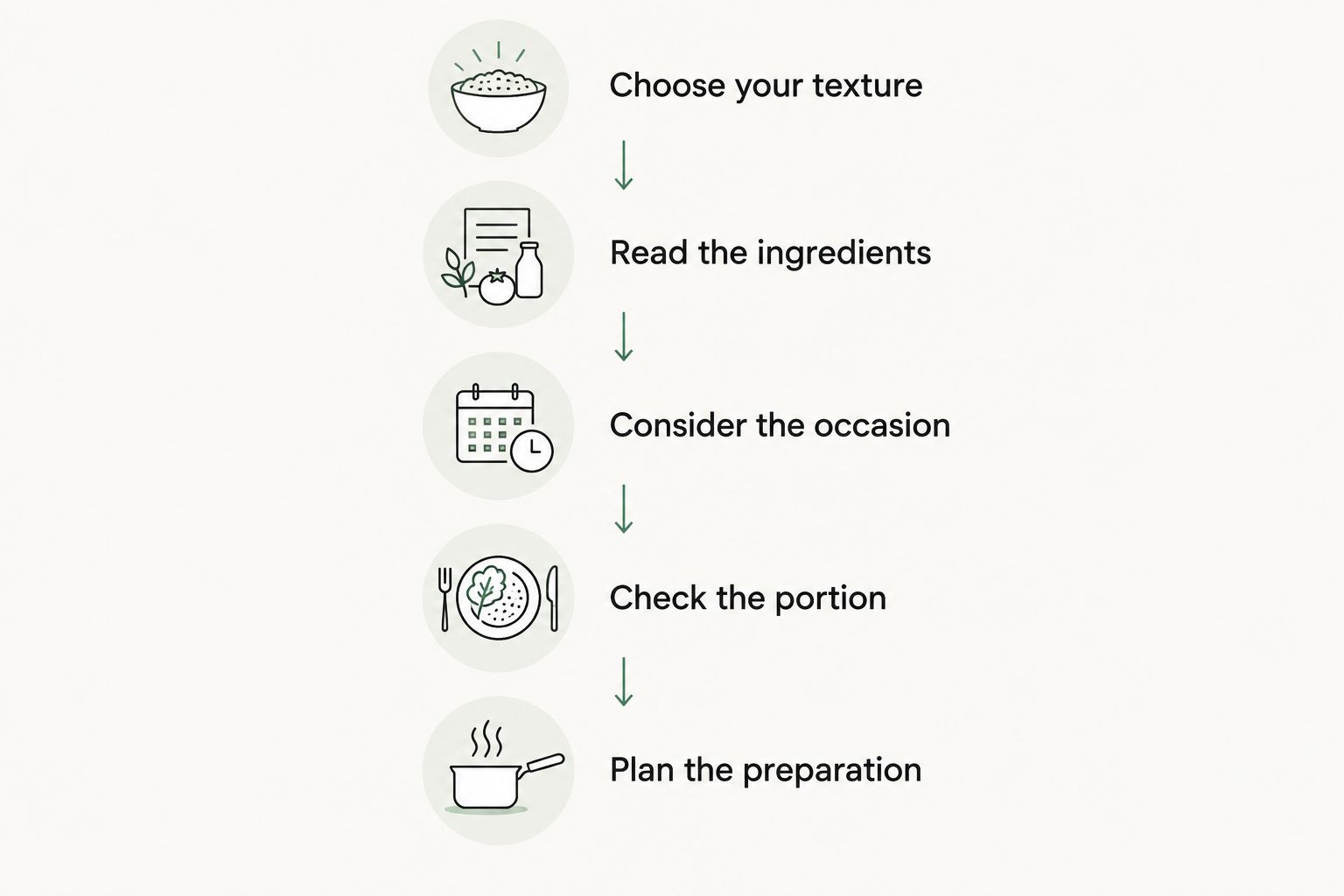
Start with what you want the drink to do in your routine. This simple 2026 checklist keeps the decision practical rather than turning it into a competition.
- Choose your texture. Pick juice for a thinner drink or a smoothie for blended produce with more body.
- Read the ingredients. Look at the full recipe, including the fruit, liquid base and any additions.
- Consider the occasion. Decide whether the drink accompanies food or whether you are planning something more substantial.
- Check the portion. Read the bottle or measure your home recipe rather than assuming every glass is equivalent.
- Plan the preparation. Choose an approach that fits your available equipment, storage and clean-up time.
The best starting point is a drink you genuinely enjoy and understand. You do not need the strongest vegetable flavour or the longest ingredient list to make a confident choice.
Is green juice lower in sugar than a green smoothie?
Green juice is not automatically lower in sugar than a green smoothie. The ingredients, their quantities and the serving size determine the comparison.
A green juice containing fruit differs from a vegetable-only recipe. Equally, a smoothie made with water differs from one made with fruit juice, even if both contain the same leafy greens.
For packaged drinks, compare the sugars listed per 100 ml, then check how much you will actually pour. For homemade drinks, keep track of the recipe rather than estimating from taste or colour.
Do not use sweetness as a nutrition label. A tart flavour, a dark green colour or an organic claim does not provide an exact sugar figure.
Can I use green juice as a smoothie base?
You can use green juice as the liquid in a smoothie. The fibre from any whole ingredients you add remains in the blended drink unless you strain it afterwards.
That does not restore the pulp already removed from the juice. Instead, you are combining extracted liquid with additional blended ingredients, which creates a different recipe.
Start with an ingredient combination you already enjoy. If the juice contains citrus or pineapple, consider how those flavours will work with the rest of the mixture before blending a large batch.
What if I want a more substantial breakfast drink?
Decide what goes into breakfast before deciding whether it belongs in a glass. Green colour alone does not tell you whether a drink contains protein, fat or a varied mix of ingredients.
When choosing protein powder for beginners, read the ingredient and allergen information alongside the rest of your smoothie recipe. A powder is an optional ingredient, not what defines a green smoothie, and adding it changes the finished drink.
You can also keep things simpler by serving your preferred green drink alongside breakfast. There is no need to put every part of the meal into the blender.
If you have specific dietary requirements, get individual advice from an accredited practising dietitian rather than treating a generic drink recipe as a meal plan.
Where Homejuice green juice fits
Homejuice is best for beginners who want ready-made, certified-organic cold-pressed green juice. The green juice range offers an alternative to buying produce, extracting it and cleaning the equipment at home.
Homejuice's verified preparation details include 100% certified-organic ingredients, cold pressing with no heat, and no additives or preservatives. The brand uses 375 ml servings and recyclable packaging; these are practical product details, not reasons to assume juice and smoothies are nutritionally identical.
For a 2026 purchase, compare the ingredients and current product information before choosing. The two green juices below illustrate different recipes, not different levels of promised results.
| Green juice | Listed ingredients | Best for | Consideration |
|---|---|---|---|
| Green Miracle | Kale, spinach, cucumber, pineapple, lime, spirulina | People wanting leafy greens with pineapple and lime | Contains fruit; the ingredient list alone does not establish its sugar content |
| Raw Star | Kale, celery, cucumber, apple, lemon, rhubarb, cayenne | People who enjoy a green recipe with cayenne | Cayenne is worth considering if you dislike peppery ingredients |
Green Miracle lists 6 ingredients, while Raw Star lists 7 ingredients. Neither ingredient count is a quality score; use the lists to choose flavours you actually want to drink.
The limitation is the same as for other extracted green juices: these are not whole-produce smoothies. Choose them for their ingredients, preparation and convenience, while keeping the fibre distinction clear.


FAQ
What's the main difference between green juice and a green smoothie?
Green juice extracts liquid and separates much of the pulp, while a green smoothie blends edible ingredients together. A smoothie retains their fibre unless you strain it.
Is green juice or a smoothie better for beginners?
Green juice suits beginners who prefer a thinner drink; a smoothie suits those who want blended produce with its fibre retained. Start with familiar ingredients and a texture you enjoy.
Does cold-pressed green juice still contain all the fibre?
Cold-pressed green juice does not retain all the fibre from the original produce because extraction separates much of the pulp. Cold pressing describes the extraction method, not whole-produce retention.
Can I make green juice in a blender?
You can blend produce and then strain it to make a juice-style drink. If you keep the blended pulp, the result is closer to a smoothie.
Is green juice always lower in sugar than a smoothie?
Green juice is not always lower in sugar than a smoothie. Compare the actual recipes, serving sizes and nutrition information rather than relying on the green colour.
Can I have green juice alongside breakfast?
You can enjoy green juice alongside breakfast rather than treating it as the whole meal. Choose the rest of your food according to your needs and preferences.
What should I check when buying green juice in 2026?
When buying green juice in 2026, check the ingredients, serving size, nutrition information and storage instructions. Preparation and organic claims do not replace those details.
One last thing
Straining is the step that can change your homemade drink's category. Blend whole edible ingredients and keep the pulp for a smoothie; strain that mixture and you remove some of what made it different from extracted juice.
Before changing your ingredients, try deciding which texture you actually prefer. That small choice makes the green juice vs smoothie question much easier to answer.