

To make beetroot juice at home, scrub and trim raw beetroot, cut it to suit your machine, then juice it with carrot and orange for a gentler flavour. Without a juicer, blend the prepared ingredients with enough cold water to keep them moving, then strain if you want a smoother drink. Start with a little beetroot and adjust after tasting; its earthy flavour can dominate the glass.
- For a beginner-friendly beetroot juice recipe, combine raw beetroot with carrot and orange, then adjust to taste.
- A juicer separates pulp; a blender needs added water and optional straining.
- Beetroot, celery, apple and pineapple make a fruitier alternative.
- Prepare clean equipment first, refrigerate juice promptly and follow your appliance instructions.
Why this matters
A good beetroot juice recipe starts with flavour balance, not a long shopping list. Beetroot brings a distinctive earthy taste, so pairing it with familiar fruit or vegetables makes your first glass easier to adjust.
You also need a method that suits your kitchen. A juicer and a blender produce different textures, even with the same ingredients. If you're building a small recipe collection in 2026, the juicing recipes for beginners guide offers another starting point for choosing combinations.
How do you make beetroot juice at home?
Use raw beetroot, add complementary produce and taste before making a larger batch. This flexible recipe avoids promising a fixed yield: beetroot size, freshness and your machine all affect how much juice you collect.
Gather your ingredients
For a mellow, citrus-led version, set out:
- Raw beetroot: the main ingredient; start conservatively if you're new to its flavour.
- Carrot: a familiar partner that adds sweetness without a sharp citrus edge.
- Orange: peel it before processing to keep the drink from becoming dominated by bitter peel.
- Cold drinking water: needed for the blender method, added gradually.
Keep the ingredients separate until you've tasted the first result. That gives you room to adjust rather than committing every piece of produce to a blend you don't enjoy.
Follow the basic method
- Wash and trim. Rinse the produce under running water, scrub the beetroot and carrot, and remove damaged areas and tough ends.
- Cut to fit. Chop the produce to the size your appliance instructions require. Don't force large, hard pieces through a feed chute.
- Process gently. Feed the ingredients through a juicer, or blend them with enough water for the blades to circulate the mixture.
- Taste and adjust. Add more carrot or orange if the beetroot dominates. Add a little water if the blended version is too thick.
- Finish and serve. Stir juiced ingredients together, or strain the blended mixture through a clean fine sieve or suitable straining bag.
Keep a note of the balance you enjoy. Your own 2026 recipe notes will be more useful if they record flavour and texture, rather than assuming every beetroot produces the same result.
How to make beetroot juice with a juicer
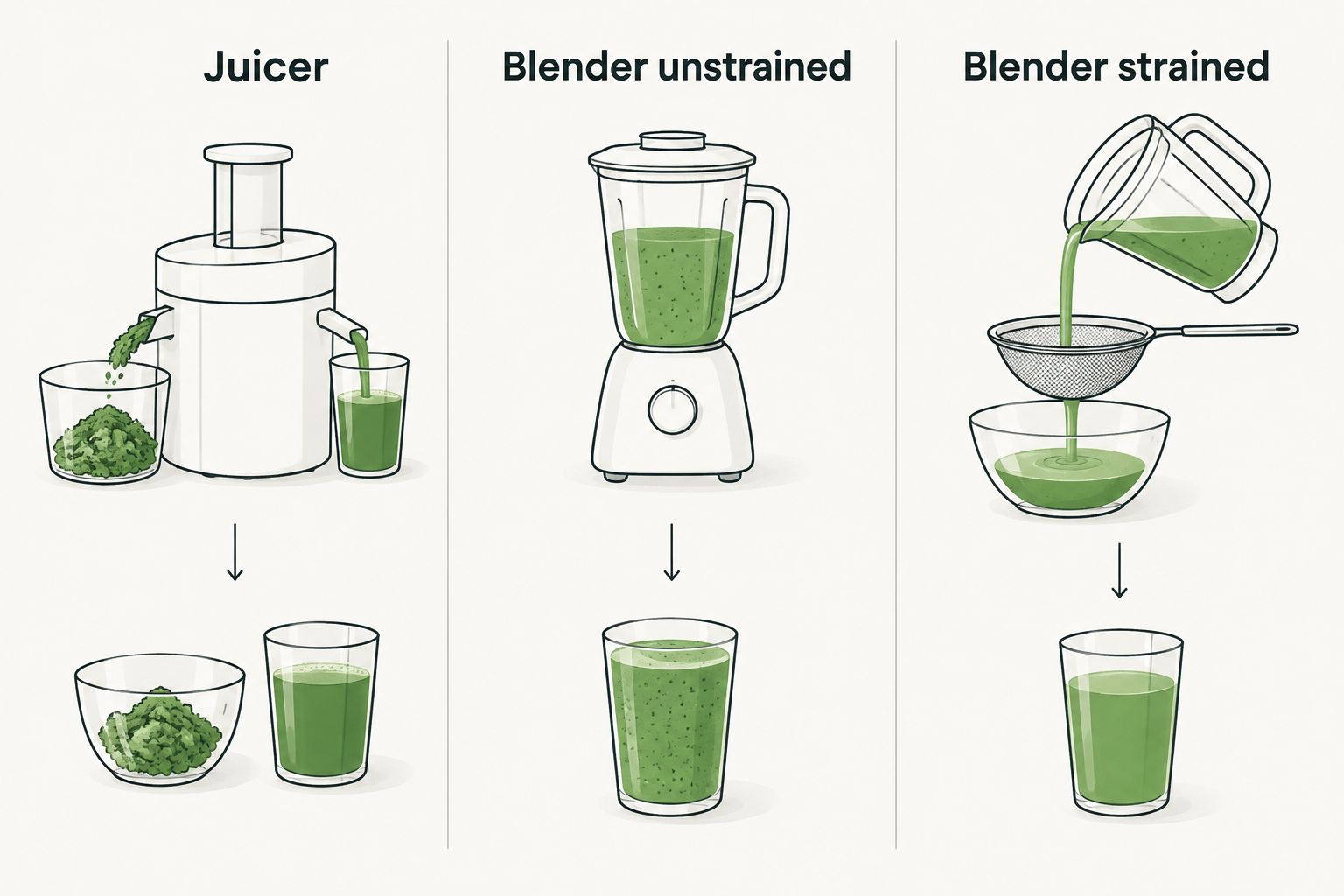
Best for: a smoother drink without a separate straining step. A juicer separates much of the solid pulp as it processes the produce, so you collect juice and pulp in different containers.
Check that your machine can handle raw beetroot. Prepare the pieces as directed, then feed the produce steadily using the supplied pusher. Never use your fingers or another utensil inside the feed chute.
Stir the collected juice before tasting. The ingredients don't necessarily mix evenly as they leave the machine, and a quick stir gives you a better sense of the finished flavour.
The trade-off is cleaning. Pulp collects in the basket, filter and other removable parts, so a quick drink still leaves equipment to wash. Choose the juicer when you prefer a smoother texture and don't mind cleaning the extraction parts.
How to make beetroot juice in a blender
Best for: making a small batch with equipment you already own. A blender keeps the produce together rather than separating juice from pulp, so the first result is a thick blended drink.
Cut the raw beetroot into pieces your blender can manage and add cold drinking water gradually. Follow the appliance instructions, particularly its guidance on hard vegetables and minimum liquid requirements.
Once the mixture is evenly blended, decide whether you like the texture. Leave it unstrained for a thicker drink, or pour it through a clean fine sieve or straining bag for a smoother result.
The compromise is extra handling. Straining creates another item to clean, and adding water changes the intensity of the flavour. Choose the blender when convenience matters more than reproducing a juicer's texture exactly.
| Method | Best for | Main advantage | Main compromise |
|---|---|---|---|
| Juicer | A smoother drink | Separates pulp during processing | Extraction parts need cleaning |
| Blender, unstrained | A thicker drink | No separate straining step | Keeps more of the produce's texture |
| Blender, strained | A smoother blender-made drink | Works without a dedicated juicer | Requires water and an extra straining step |
The right method is the one you'll comfortably repeat. For a beginner's kitchen in 2026, there's no need to buy another appliance before trying the equipment you already have.
Why beetroot juice flavour and yield vary
A flexible recipe is useful because the same ingredient list doesn't guarantee an identical glass. These factors explain the differences you'll notice:
- Beetroot size: a larger beetroot changes the balance if you keep the other ingredients unchanged.
- Ingredient balance: more orange shifts the drink towards citrus; more beetroot makes its earthy character stronger.
- Produce condition: freshness and moisture content affect the liquid available for extraction.
- Processing method: a juicer separates pulp, while a blender keeps it unless you strain it out.
- Added water: water makes blending easier but also dilutes the finished flavour.
- Straining: a fine sieve leaves a different texture from an unstrained blend.
Change one thing at a time. If you add more fruit, more water and a different strainer together, it's harder to identify which adjustment improved your drink.
How do you make beetroot juice taste less earthy?
Reduce the beetroot before adding more ingredients. That keeps the recipe simple and gives the other flavours room to come through.
Carrot and orange are a straightforward starting combination. For a different direction, beetroot also pairs with celery, apple and pineapple. Choose between the combinations by the flavours you already enjoy, not by promises about what a drink will do for your body.
If the juice tastes too sharp, stop adding citrus and reassess the balance. If it tastes flat or overly diluted, don't keep adding water simply because the blender needed liquid at the beginning.
For your next 2026 batch, write down the adjustment that worked. A note such as less beetroot, more orange is enough to make the next attempt more predictable.
When does ready-made beetroot juice make sense?
Making juice at home gives you control over the ingredients and texture. Ready-made juice removes the chopping, processing and equipment clean-up, but you give up the ability to change the blend before it's made.
Homejuice cold-pressed juice is best for people who want a prepared drink without the juicing clean-up. The range includes beetroot blends, with 100% certified organic, cold-pressed preparation and no heat, additives or preservatives among the brand's stated differentiators.
These Homejuice beetroot juice options use different ingredient combinations. Neither is presented here as a replacement for meals or as a way to achieve a health outcome.
| Beetroot blend | Listed ingredients | Best for | Flavour consideration |
|---|---|---|---|
| Bloody Beetroot | Beetroot, carrot, orange, orange oil (turmeric) | People drawn to carrot and citrus ingredients | Not a plain beetroot juice |
| Bloodylicious | Beetroot, celery, apple, pineapple | People drawn to apple and pineapple ingredients | Includes celery, which isn't everyone's preference |
Homejuice lists 375 ml servings among its product details. Use the current product information when deciding what suits you, rather than treating a bottle size as a target for your homemade recipe.


Set up your bench before cutting beetroot
Beetroot preparation is easier when you organise the messy steps first. Put a stable chopping board beside a bowl for prepared produce, clear a space for your machine and keep a container ready for the finished juice.
Stability and cleanability matter more than appearance when choosing chopping boards for vegetable prep, particularly when you're cutting firm, round beetroot. Use a board that doesn't slide around, and keep your fingers clear as you make the first cuts.
Beetroot pigments can mark hands, cloths and porous surfaces. Protect vulnerable benchtops and rinse utensils promptly rather than leaving splashes to dry while you finish the drink.
Set aside clean equipment for straining before you switch on the blender. Searching for a sieve with a full jug in your hands turns a simple recipe into an awkward kitchen job.
Keep storage and clean-up simple
Make only what you expect to use, and refrigerate any juice you're keeping promptly. Fresh homemade juice isn't made shelf-stable by putting it into a sealed bottle.
Use a clean, food-safe container and keep the juice cold. Don't leave it on the bench while you get on with other jobs, and don't use smell alone to decide whether a stored drink is safe.
A fridge temperature of 5°C or colder is the Australian food-safety benchmark for cold storage. That temperature isn't a guarantee of a particular homemade juice shelf life: cleanliness, ingredients and handling still matter.
Wash the appliance according to its instructions after use. Disconnect it before dismantling, take care around blades and filters, and let cleaned parts dry before storing them.
If you're refreshing your kitchen routine in 2026, make clean-up part of the recipe rather than a separate task you'll tackle later. A method that fits your available time is easier to repeat.
Do you need to peel beetroot before juicing it?
You don't always need to peel beetroot if the skin is sound and thoroughly scrubbed. Trim tough ends, remove damaged areas and follow your appliance instructions.
Peeling is also a reasonable preference if you dislike the skin's flavour or texture. Use a vegetable peeler carefully, and wash the beetroot before peeling so dirt isn't carried onto the cut surface.
Can you use cooked beetroot instead of raw?
Cooked beetroot makes a different drink from the raw recipe above. Its softer texture is suited to blending, but the flavour and consistency won't match raw beetroot passed through a juicer.
Avoid substituting pickled beetroot unless you deliberately want its vinegar-led flavour. For this recipe, start with plain raw beetroot so you can judge the balance without added seasoning.
FAQ
What's the easiest beetroot juice recipe for beginners?
Combine a small amount of raw beetroot with carrot and peeled orange, then taste and adjust. Use a juicer, or blend with cold drinking water and strain if you prefer a smoother texture.
Can I make beetroot juice without a juicer?
Yes, you can make beetroot juice in a blender that can handle raw vegetables. Cut the produce to suit the appliance, add enough water for blending and strain the mixture if you don't want a thick drink.
Should I use raw or cooked beetroot for juice?
Use raw beetroot for the recipe on this page. Cooked beetroot produces a different flavour and softer texture, while pickled beetroot introduces vinegar and other seasonings.
Why does my beetroot juice taste too earthy?
Your beetroot juice can taste too earthy when beetroot dominates the other ingredients. Use less beetroot in the next batch, or adjust the current blend with carrot or orange before adding anything else.
Do I need to strain beetroot juice made in a blender?
Straining is optional for blender-made beetroot juice. Leave it unstrained for a thicker texture, or use a clean fine sieve or straining bag for a smoother drink.
Can I make beetroot juice ahead of time?
You can prepare beetroot juice ahead, but refrigerate it promptly in a clean, food-safe container. Keep the fridge at 5°C or colder and don't assume homemade juice has the same shelf life as a commercially prepared product.
Does Homejuice sell beetroot juice blends?
Homejuice offers Bloody Beetroot and Bloodylicious. Bloody Beetroot lists beetroot, carrot, orange and orange oil (turmeric); Bloodylicious lists beetroot, celery, apple and pineapple.
One last thing
Taste before you strain. If the flavour balance needs changing, you can blend in another prepared ingredient before doing the extra work of straining and washing the sieve. Keep the first batch small, find a combination you enjoy and build from there.