
Hospitality workers’ wellness tonic routine is a planned way to use botanical drinks alongside meals, water and rest, with the aim of supporting everyday wellbeing around changing shifts. This 2026 guide explains how to choose wellness tonics for hospitality workers without treating a bottle as a substitute for food, sleep or medical care.
- Choose wellness tonics for hospitality workers by ingredients and label directions, not promises of detox, immunity or sharper focus.
- Homejuice suits hospitality workers seeking organic cold-pressed juice alongside a carefully chosen wellness tonic routine.
- Keep shift hydration and regular meals separate from tonic use; neither juice nor botanical drinks replace them.
- Check botanical ingredients with a pharmacist when taking medicines, and follow each product’s storage instructions.
Why wellness tonics matter for hospitality workers
The useful question is not which tonic sounds strongest. It is which drink fits your roster, food breaks and storage arrangements without adding another task to a busy service.
If your break moves when the venue gets busy, a drink routine needs flexibility. If you travel between split shifts, storage matters as much as taste. Start with those practical constraints rather than choosing a bottle because its name promises a reset.
Homejuice offers cold-pressed juices, kombucha and wellness tonics. Homejuice suits hospitality workers seeking organic cold-pressed juice alongside a carefully chosen wellness tonic routine. The limitation is equally clear: the drinks do not replace meals, adequate rest or assessment of persistent symptoms.
There is no need to turn your whole week into a cleanse. A manageable routine starts with food and water, then leaves room for an optional drink you enjoy and can use according to its label.
Build a tonic routine around your roster
1. Define what you want from the routine
Start with a practical goal you can describe without a health promise. You might want a planned drink with your meal break, an alternative to another habitual coffee, or a more organised approach to packing drinks for work.
Those are different goals from treating fatigue, digestive symptoms or repeated illness. A product name cannot establish that a tonic will improve concentration, balance your gut or protect you from infection. Keep the distinction clear before choosing.
For your 2026 routine, write down the problem in everyday terms. If the real issue is missing lunch during service, solve lunch first. A tonic belongs alongside that solution, not in its place.
- Name the occasion: before work, with a break or after your shift.
- Separate a drink preference from a symptom that needs advice.
- Check whether food, water or rest addresses the practical problem first.
- Choose a routine that still works when your roster changes.
2. Read the ingredients before the product name
The manual approach is simple: read the current ingredient list, directions, allergen information and storage instructions. Take a photo of the label so you can check it away from the fridge or shop.
Botanical products deserve the same attention as anything else you ingest. Herbs can interact with medicines, and a natural label does not make every ingredient suitable for every person. Ask a pharmacist to check the actual ingredients if you take medicines; seek individual advice during pregnancy or breastfeeding.
Homejuice wellness tonics include products named for concentration and gut balance. Treat those names as starting points for browsing, not proof of an outcome. Choosing a prepared drink saves you making one yourself, but it does not remove the need to read its label.
- Read the full ingredient list, not just the front label.
- Check allergens against your own requirements.
- Follow the stated serving directions without increasing the amount.
- Ask a pharmacist about botanical ingredients alongside medicines.
- Check caffeine information before planning a late-shift drink.
3. Protect your meals and hydration first
Pack your usual water bottle and a meal or snack before adding a tonic. This is the simplest starting point, and it keeps an optional wellness purchase from becoming your entire break plan.
Juice is not nutritionally interchangeable with a balanced meal. It generally contains less fibre than the whole fruit or vegetables used to make it. If you want something substantial during a long service, bring food rather than relying on a drink to carry you through.
Homejuice’s verified juice details include 100% certified organic ingredients, cold-pressing with no heat, and no additives or preservatives. Its juice servings are 375 ml; do not apply that size to wellness tonics without checking their own labels. You can browse the Hydration Organic Juice Pack as a juice option, but its name does not make it a replacement for water.
- Pack water separately from juice or tonic.
- Bring a meal that fits your available break.
- Keep a suitable snack for a delayed meal break.
- Read the nutrition panel for the whole amount you drink.
- Use juice as an addition to food, not a default replacement.
4. Match storage to your workplace
Check your actual fridge access before deciding what to bring. A bottle that needs refrigeration is only practical if you can keep it stored as directed during your commute and shift.
Food Standards Australia New Zealand’s temperature-control guidance uses 5°C or colder for potentially hazardous food under refrigeration. For your 2026 workplace routine, follow the product’s own storage label as well; the general food-safety threshold is not a shelf-life instruction for an individual tonic.
An insulated bag with suitable cold packs helps with transport, but the bag alone does not confirm a safe temperature. If you cannot maintain the required conditions, leave that product at home rather than putting it beside the till for service.
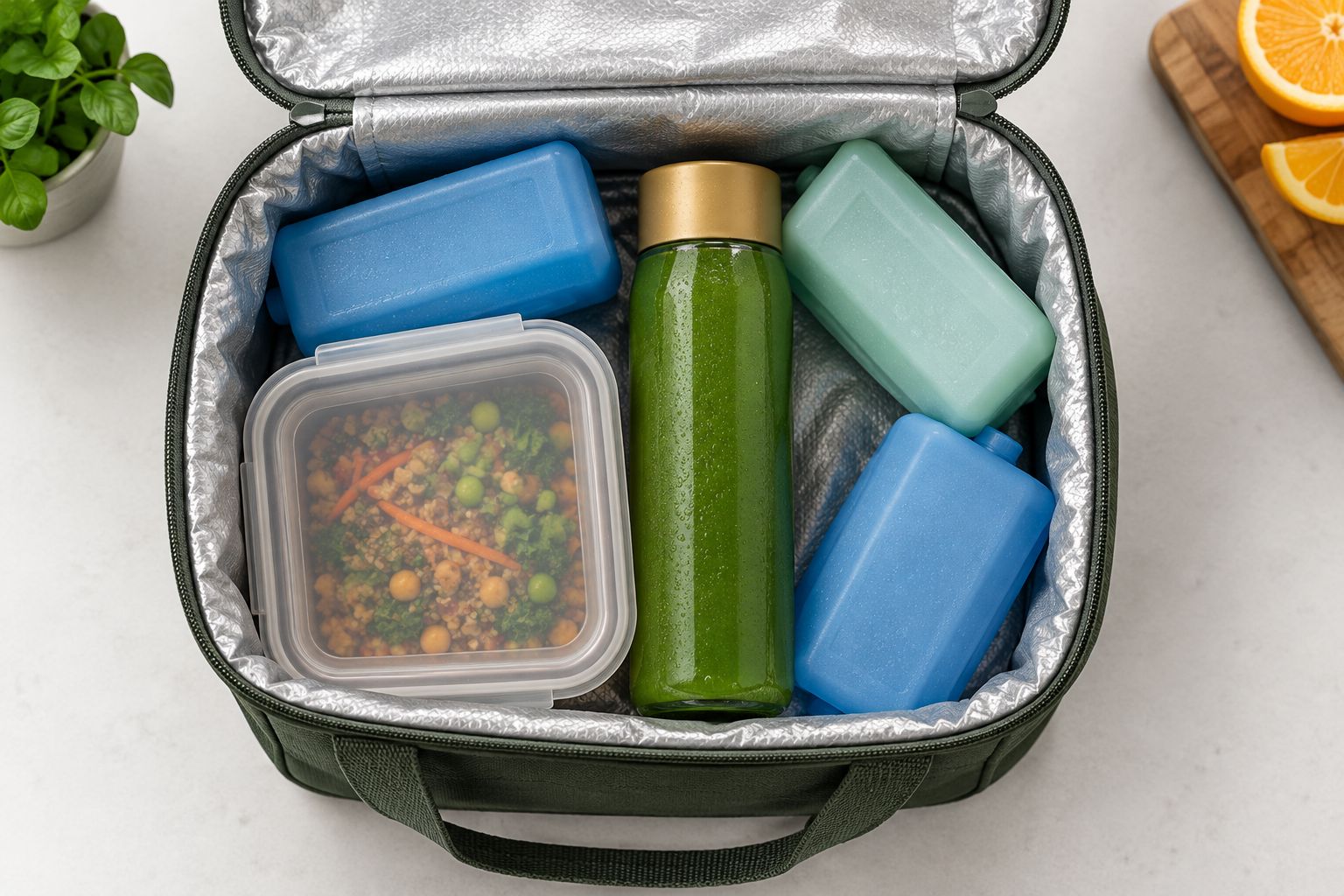
Keep personal drinks in the staff area your venue permits. This protects your routine from becoming a workplace food-handling problem and makes it easier to retrieve everything during a short break.
- Read the unopened and opened storage instructions.
- Confirm access to an appropriate staff fridge.
- Use suitable cold packs when transporting refrigerated products.
- Keep the bottle closed until you use it.
- Follow the use-by information and any instructions after opening.
5. Choose one option and keep the routine simple
Start by changing one drink habit rather than adding several botanical products together. That makes the routine easier to follow and gives you a clearer record of what you used if you need advice about an unwanted reaction.
For a beginner in 2026, simplicity beats a complicated schedule. You do not need a different tonic for every stage of service. Choose by ingredients, taste, suitability and label directions, then decide whether the product earns a place in your routine.
The comparison below separates everyday foundations from optional drinks. The tonic entries identify browsing themes, not verified treatment benefits; neither product name proves improved brain function or digestive health.
| Option | Best for | Practical advantage | Key limitation |
|---|---|---|---|
| Water | Your everyday shift hydration plan | Simple to pack and drink alongside meals | Does not replace food or address persistent fatigue |
| Packed meal with water | Workers whose breaks are short or unpredictable | Keeps nourishment and hydration together | Requires preparation and appropriate storage |
| Organic cold-pressed juice | Workers who enjoy a prepared fruit-and-vegetable drink | Convenient without home juicing | Lower fibre than whole produce; not a balanced meal |
| Concentrate - Brain Booster (Wellness Tonic) | Browsing a herb-and-fungi tonic with a concentration theme | Prepared blend rather than making your own | The name does not establish better concentration or safety with medicines |
| Soothe - Gut Balance (Wellness Tonic) | Browsing a botanical tonic with a gut-wellness theme | Prepared botanical option for a label-led choice | Not a treatment for digestive symptoms; individual suitability still needs checking |
Before choosing either tonic, check the current label rather than relying on the product title. If the ingredients do not suit you, the right decision is to leave it out—not to find a way to fit it into your shift.


Keep the decision small enough to repeat on a busy day. If a product needs storage you cannot provide or directions you cannot comfortably follow, it is not a good fit for that workday.
- Select one optional drink rather than combining several new blends.
- Check its ingredients against your needs before buying.
- Use only the amount stated on the label.
- Note any unwanted effects and stop using the product if they occur.
- Seek advice rather than increasing the amount for a stronger effect.
6. Review the routine against real shifts
Use your roster as the review tool. Ask whether you packed the drink, stored it correctly, took a proper food break and found the routine easy to repeat. These are useful observations; they do not prove a tonic caused a health improvement.
Keep the review grounded in logistics rather than chasing a dramatic reset. A drink routine that works on a quiet afternoon but fails during a closing shift needs adjusting. That is a planning issue, not a reason to add more products.
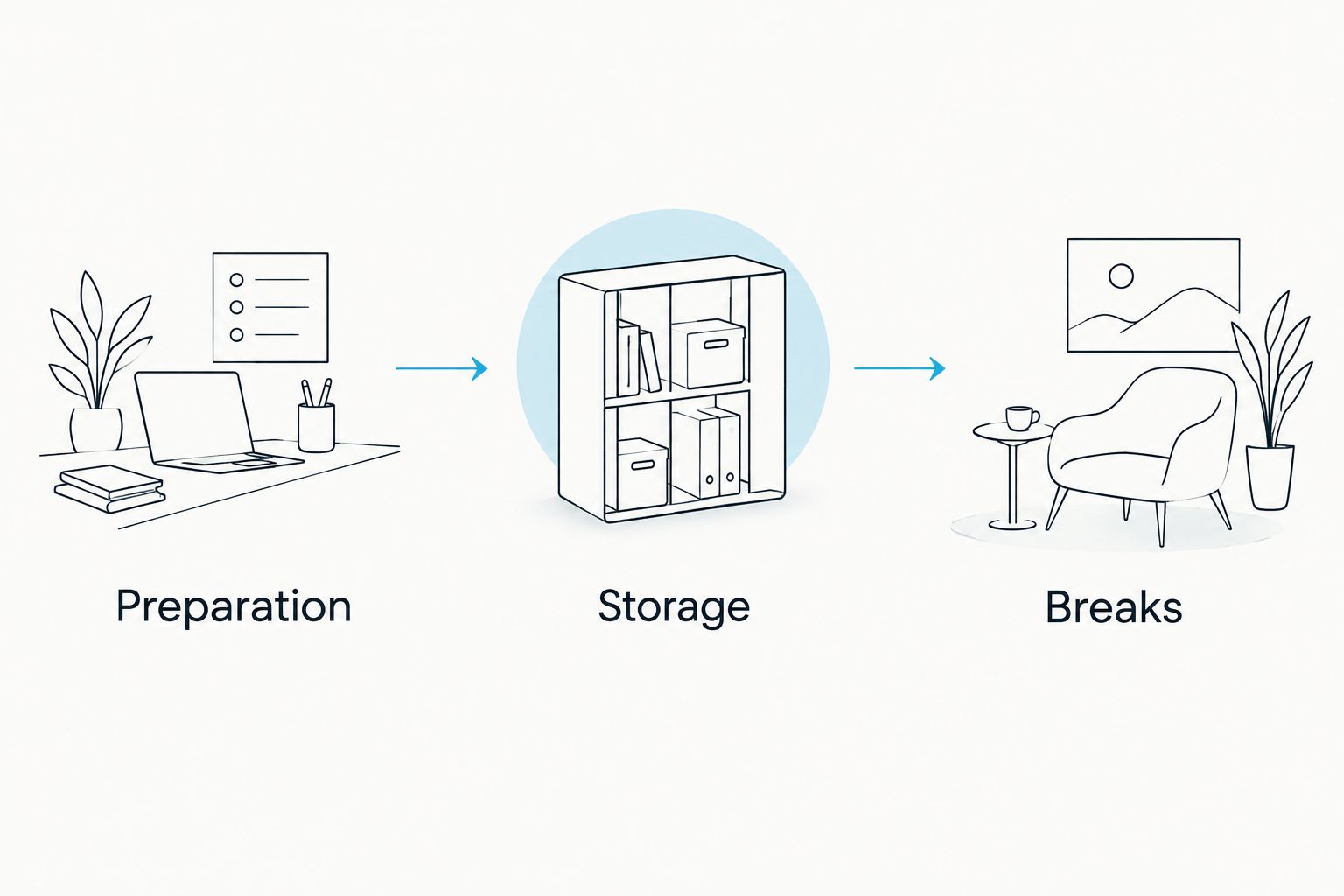
A straightforward 2026 review has three checkpoints: preparation, storage and breaks. Review these in order so a missed meal or an unsuitable commute does not get mistaken for a problem the tonic should solve.
If tiredness, dizziness, digestive problems or other symptoms persist, arrange appropriate health advice. Your notes about meals, shifts and products can help explain the situation, but they are not a diagnosis.
- Check preparation: did you bring food, water and the optional drink?
- Check storage: did you follow the product’s instructions throughout?
- Check breaks: did you have a workable opportunity to eat?
- Keep what is practical and remove what adds pressure.
- Discuss persistent symptoms with a qualified health professional.
Common mistakes hospitality workers make with wellness tonics
Replacing a missed meal with a bottle
A short break makes a drink tempting, but convenience does not make it a meal. Fix the food plan first. Pack something you can eat during the break your venue actually provides.
Treating a product name as protection from illness
A tonic with an immunity theme is not a vaccination or a treatment. Do not use wellness drinks as a reason to ignore illness symptoms or your workplace’s food-handler requirements.
Leaving refrigerated drinks behind the bar
A busy service is not a storage method. Check the label before bringing the bottle, and use an appropriate staff fridge rather than assuming an unopened drink can sit out.
Starting a cleanse during demanding shifts
Homejuice cleanse days contain seven juices, but that format is different from adding a tonic alongside meals. Do not treat a juice-only programme as equivalent to your usual food during physically demanding work; seek individual advice before making a restrictive change.
Expecting a post-shift drink to undo the shift
No tonic cancels alcohol intake, missed sleep or an inadequate meal. Build your wind-down around practical choices you can repeat, and keep the drink optional rather than giving it a recovery promise.
FAQ
What are the best wellness tonics for hospitality workers?
The best choice is a tonic whose ingredients, directions and storage needs fit your circumstances. No single product is best for every worker, and water, meals and rest remain the foundations of the routine.
Can I use a wellness tonic instead of lunch on a busy shift?
No, a wellness tonic is not a balanced lunch. Pack food for your break and use the drink only as an optional addition.
Will a brain booster tonic keep me alert during a late shift?
A brain booster product name does not establish that the drink will keep you alert. Check its ingredients and caffeine information, and do not rely on it to overcome inadequate sleep.
Are botanical tonics safe to take with my medicines?
Safety depends on the ingredients and the medicines you take. Ask a pharmacist to check the full label before using a botanical tonic alongside medication.
Do all wellness tonics need to stay in the fridge?
Storage requirements depend on the individual product. Follow its label for unopened storage, refrigeration after opening and use-by instructions.
Will a detox tonic help me lose weight after late shifts?
A detox tonic should not be treated as a weight-loss method. Your liver and kidneys already handle waste processing, and a product name does not demonstrate extra detoxification or lasting weight loss.
Is cold-pressed juice better than a wellness tonic for work?
Cold-pressed juice and wellness tonics are different products, so choose by purpose and ingredients rather than assuming one is better. Juice is a fruit-and-vegetable drink; botanical tonic suitability depends on its particular formulation.
One last thing
Pack the meal before the tonic. If a routine only works when you skip food, rush your break or ignore storage instructions, simplify it. The most useful reset is a workday plan you can follow without asking a drink to do more than it can.