
A juice cleanse for shift workers is a planned juice routine that fits changing work and sleep hours, with the aim of making a wellness reset manageable without compromising meals, rest or safety. For your 2026 routine, start with juice alongside balanced food rather than a juice-only shift, especially when your work involves driving, machinery or physical effort.
- A juice cleanse for shift workers should fit waking hours, meal breaks and refrigeration—not a standard daytime timetable.
- Homejuice cold-pressed juice is best for shift workers seeking prepared organic drinks alongside balanced meals.
- Keep adequate meals, water and sleep; juice does not replace these or provide a proven liver detox.
- Choose a quiet day to assess your routine before taking a new juice plan onto a demanding shift.
Why juice cleanses matter for shift workers
For shift workers, the useful part of a reset is planning what you will drink and eat before a busy roster takes over. A daytime drinking schedule does not automatically fit someone who wakes in the afternoon, works overnight and sleeps after breakfast.
Your practical constraints come first: access to a fridge, permission to take breaks, the physical demands of your job and the journey home. If a cleanse makes those harder, change the plan—not your safety standards.
Homejuice offers prepared organic cold-pressed juices, cleanse programs and other wellness drinks. That removes the need to press every drink yourself, but it does not make juice a complete meal or establish a medical benefit from cleansing.
Treat detox language as a wellness theme, not a promise that a drink removes toxins. Your liver and kidneys already perform that work. A helpful 2026 reset is one that supports a workable food routine rather than asking you to push through hunger or fatigue.
How to plan juice around your shifts
1. Map your waking hours before choosing a cleanse
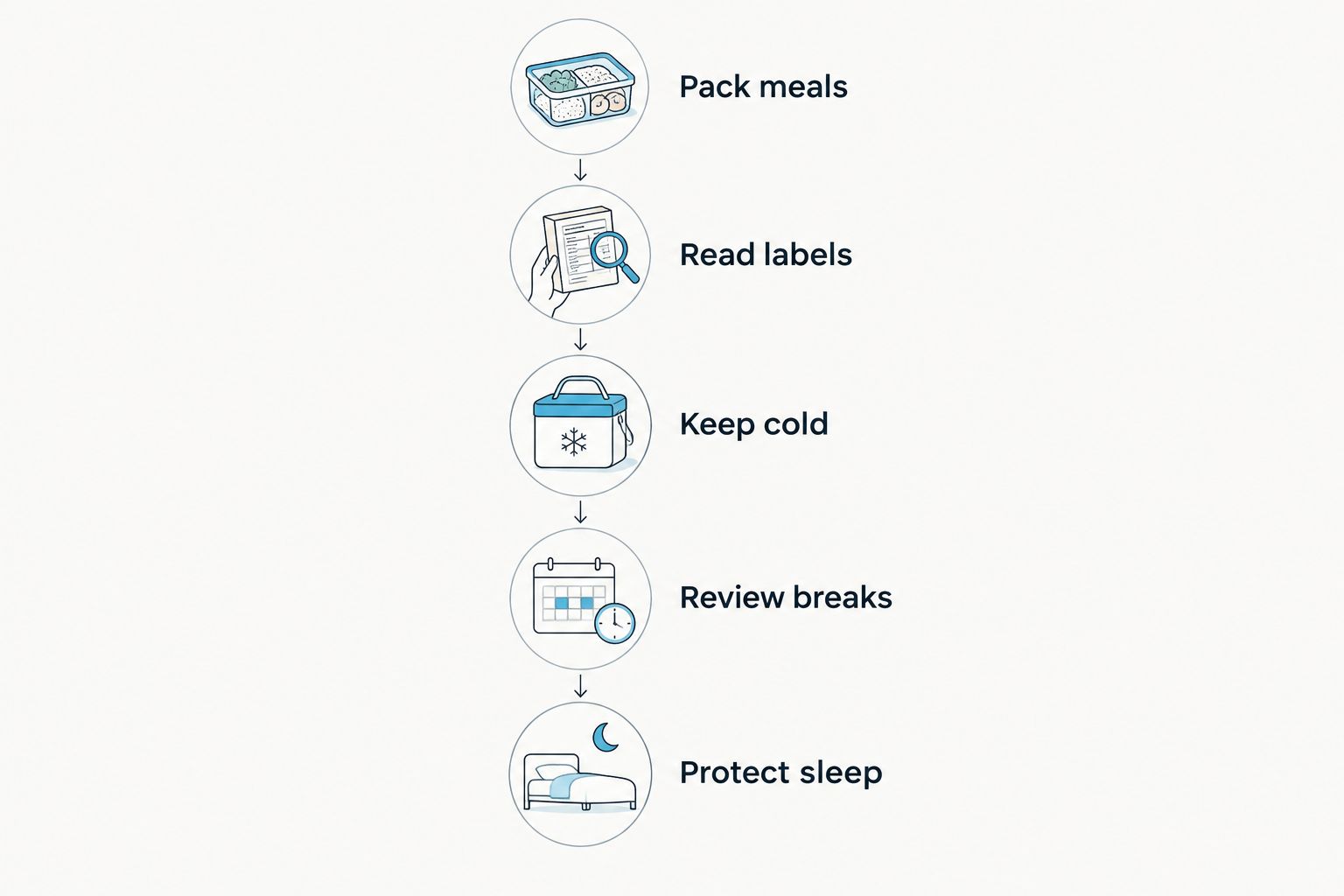
Start with your roster and a note on your phone. Write down when you expect to wake, travel, work, eat and sleep; then mark the breaks you can actually take. Build around those anchors rather than copying a morning-to-evening schedule.
For an overnight shift, your first meal belongs after waking, even if the clock says afternoon. Your last meal or snack needs to fit your appetite and sleep plan, not someone else's breakfast time. Keep the approach simple enough to repeat when your roster changes.
Separate a predictable workday from an unpredictable one. A shift with missed breaks, overtime or no reliable food storage is not a suitable place to experiment with replacing meals. You do not need a purchased program to make this first decision.
- Record your wake-up and planned sleep times.
- Mark confirmed meal breaks and likely interruptions.
- Check fridge access at every work location.
- Pack food for an extended shift.
- Keep a separate plan for days off.
2. Protect meals before adding juice
Begin with food you already know keeps you comfortable through work. A packed meal with a protein source, vegetables and a carbohydrate food gives you a more useful foundation than a bag containing only drinks. Examples include a lentil and rice bowl, an egg sandwich or chicken with vegetables.
Juice can sit beside that meal. It should not quietly displace the food you need because a bottle is easier to carry. Whole fruit and vegetables also provide fibre that juice generally supplies in smaller amounts, so keep them in your routine.
Use juice as an addition, not permission to skip meals. If you have diabetes, take medicines affected by food intake, are pregnant or breastfeeding, or have an eating-disorder history, get individual advice before attempting dietary restriction. A pharmacist, GP or accredited practising dietitian can help you assess the relevant risks.
- Pack a familiar main meal.
- Include a protein source and carbohydrate food.
- Bring whole fruit or another familiar snack.
- Keep drinking water accessible.
- Avoid changing prescribed medicines to fit a cleanse.
3. Choose prepared drinks for convenience, not promises
The manual option is straightforward: prepare your usual meals, then make a juice if you enjoy one and can clean and store it safely. This gives you control over ingredients, but adds shopping, preparation and washing-up to your day.
Homejuice cold-pressed juice is best for shift workers seeking prepared organic drinks alongside balanced meals. Its verified product features include 100% certified organic ingredients, cold pressing with no heat, no additives or preservatives, and recyclable packaging. Those features help you compare preparation methods; they do not prove weight loss, immunity or detox outcomes.
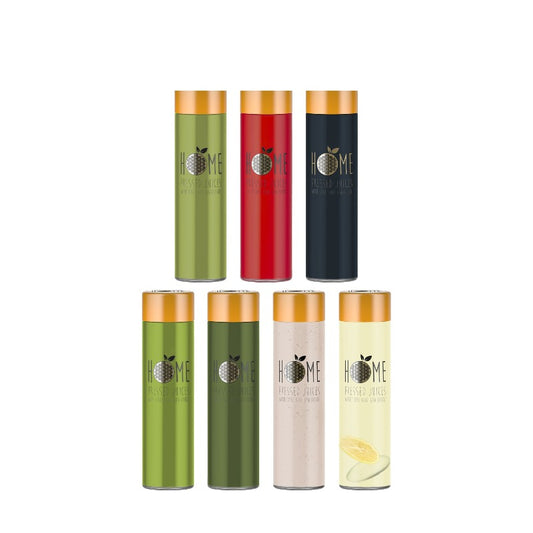
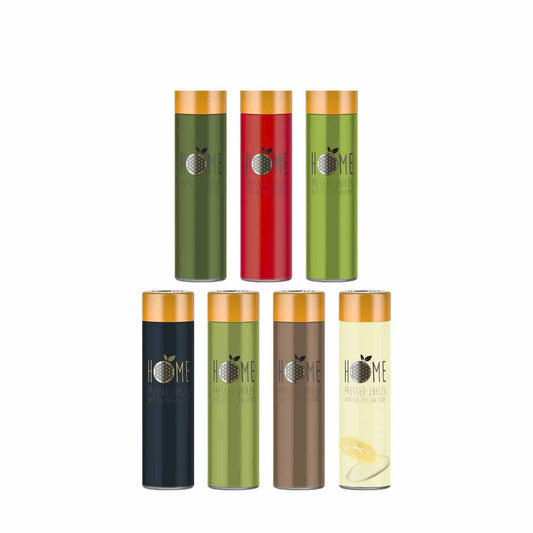
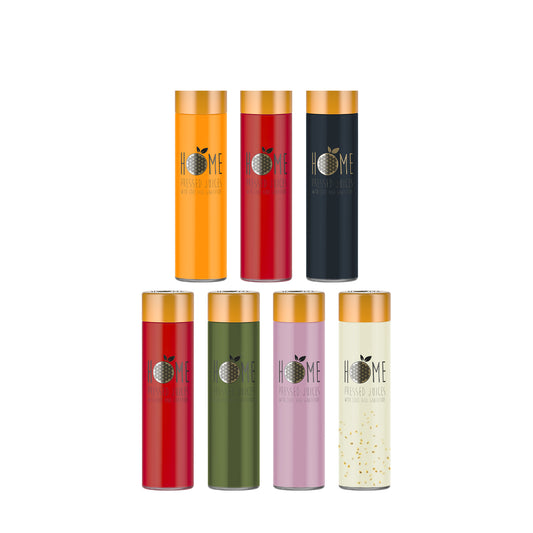
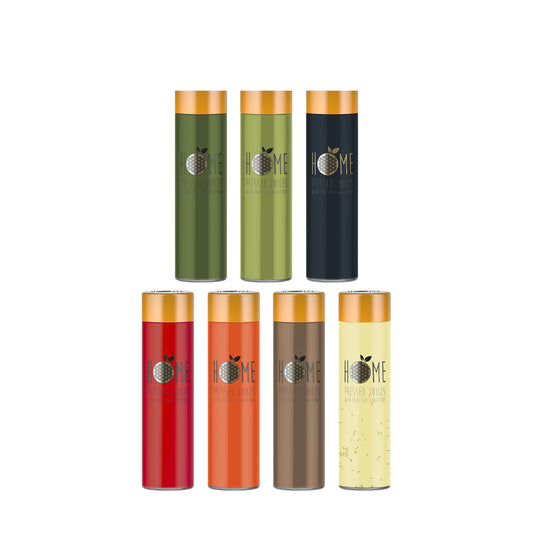
The cleanse format contains seven juices per cleanse day in 375 ml servings. That adds up to 2,625 ml of juice, so consider carrying space and fridge capacity before choosing it. That volume is a product quantity, not a daily hydration target or a requirement to finish every bottle while working.
- Compare ingredients rather than wellness names alone.
- Read nutrition information and allergen details.
- Decide between an individual drink, a pack and a cleanse format.
- Check bottle storage instructions before packing.
- Choose flavours you genuinely enjoy.
4. Keep your drinks cold from home to work
Start by checking the bottle's storage directions and your workplace fridge. If you cannot refrigerate drinks promptly, plan a suitable insulated bag with ice bricks and confirm that it maintains the required temperature. A cool-feeling bag is not a temperature check.
For your 2026 packing routine, follow Food Standards Australia New Zealand guidance: food that needs refrigeration should generally stay at 5°C or colder. Follow any stricter product instructions, and remember that cold pressing is a preparation method—not a reason to leave juice at room temperature.
Keep time out of refrigeration short, including your commute and any change of worksite. If storage conditions are uncertain, do not rely on smell or taste to decide whether a drink is safe. Choose a different drink arrangement rather than carrying chilled products without dependable cold storage.
- Read the label before leaving home.
- Use a fridge thermometer to check storage temperature.
- Pack chilled drinks with ice bricks when needed.
- Move bottles into the workplace fridge promptly.
- Follow the label's directions after opening.
5. Practise the routine on a quieter day
Try your meal-and-juice arrangement when you have time to notice how it fits. You are checking practical details: whether the drink suits your taste, whether the packing works and whether you still eat enough. You are not testing how long you can tolerate hunger.
For a 2026 trial, keep your usual balanced meals rather than introducing several dietary changes at once. That makes the routine easier to understand and avoids turning a day off into a restrictive challenge. If a drink does not agree with you, there is no need to finish a program to prove commitment.
On shift, dizziness, shakiness, weakness or difficulty concentrating are reasons to stop a restrictive plan and prioritise safety. Do not push through symptoms while driving or operating equipment. Seek medical advice when symptoms are significant, persistent or recurrent, and follow your workplace's safety procedures.
- Try the packing arrangement away from a demanding shift.
- Keep familiar meals in place.
- Note taste, comfort and convenience.
- Stop restriction if you feel unwell.
- Avoid safety-critical tasks when concentration is impaired.
6. Review the routine after each roster change
Start with a simple note rather than an elaborate tracker. Ask whether you ate your packed meal, had water available, kept drinks refrigerated and got the rest your schedule allowed. These questions tell you more about the routine's usefulness than whether you completed every bottle.
A workable 2026 plan should survive ordinary roster changes. If a prepared drink helps you pack ahead, keep it. If carrying a full cleanse creates extra stress or crowds meals out of the fridge, scale back to an occasional juice alongside food.
For weight-management goals, judge the wider eating pattern rather than a quick scale change after restriction. Juice cleanses are not an established route to lasting weight loss. An accredited practising dietitian can help you build an approach that fits your shifts without making food another source of pressure.
- Check whether meals were eaten, not just packed.
- Review fridge access when your worksite changes.
- Keep the drinks you enjoy and tolerate.
- Reduce complexity when your roster gets busier.
- Seek personalised advice for ongoing weight or nutrition goals.
Compare your shift-friendly options
The best default for a working shift is balanced meals with an optional juice. A full cleanse format needs closer consideration because replacing meals changes your intake, not just your preparation routine. Select an option by how it fits your job rather than by the strength of its wellness wording.
| Option | Best for | Practical advantage | Key limitation |
|---|---|---|---|
| Balanced meals with an optional homemade juice | Beginners establishing a shift-friendly routine | Keeps familiar food central and allows ingredient choice | Adds preparation, cleaning and cold-storage tasks |
| Hydration Organic Juice Pack | Workers wanting prepared drinks alongside meals | Combines organic cold-pressed juices and Alkaline Healing Water | Is not a balanced meal or a replacement for plain water |
| INNER BALANCE ORGANIC JUICE CLEANSE (BODY RESET) | Readers comparing a structured organic cleanse format | Provides a prepared cold-pressed cleanse option | Is not established as a complete diet or a way to remove toxins |
| Personalised advice from an accredited practising dietitian | Workers with medical needs or recurring eating difficulties | Addresses your health history and roster together | Requires an appointment and individual assessment |
The Hydration Organic Juice Pack is the prepared-drink option in this comparison. The INNER BALANCE ORGANIC JUICE CLEANSE (BODY RESET) is the structured-cleanse option. Neither needs to be a prerequisite for improving your workday food routine.
Homejuice offers variety and reduces preparation work, but you still need to check labels, arrange refrigeration and protect adequate meals. Organic certification and no-heat processing describe the products; they do not establish that a cleanse suits your medical needs.


Common mistakes shift workers make
Following daytime bottle times during night work
A schedule designed around breakfast, lunch and dinner does not account for sleeping through the afternoon. Organise meals and optional drinks around waking and confirmed breaks instead. Keep your sleep period free from alarms set just to consume juice.
Starting restriction before a demanding shift
A new juice-only routine is a poor experiment before a long drive, manual work or safety-critical duties. Choose a quieter day to assess practical fit, with ordinary meals still available. Completing a cleanse is never more important than staying alert.
Packing bottles but no backup food
An interrupted break or unexpected overtime can leave you without the meal you planned to buy. Carry familiar food as well as drinks. A bottle labelled for wellness does not replace a balanced meal simply because it is convenient.
Treating cold-pressed juice as shelf-stable
No-heat processing does not remove the need to follow storage instructions. Account for travel, locker time and moves between worksites. If dependable refrigeration is unavailable, change your packing plan rather than guessing.
Reading detox language as a health guarantee
A reset can describe a fresh approach to your habits; it does not prove liver cleansing, immunity improvements or lasting weight loss. Choose products for their ingredients, taste and practical fit. Get professional advice for symptoms rather than selecting a cleanse by its name.
FAQ
What's the best juice cleanse for shift workers?
The best default for shift workers is balanced meals with an optional juice, rather than a juice-only workday. Homejuice offers prepared organic cold-pressed drinks, but your breaks, refrigeration and health needs should determine the routine.
Can I follow a juice cleanse while working nights?
You can fit an optional juice around night work without replacing meals. Plan around waking hours and actual breaks, and avoid dietary restriction that affects alertness or safe working.
When should I drink juice if I sleep during the day?
Fit optional juice around your waking hours and meals rather than a daytime timetable. There is no need to interrupt sleep to follow bottle times.
Are seven juices enough food for a whole shift?
Seven juices should not be assumed to provide a complete day's nutrition. The cleanse format uses 375 ml servings, but bottle count and liquid volume do not establish adequate protein, fibre or energy for your needs.
Will a juice cleanse detox my liver or help me lose weight?
A juice cleanse is not proven to detox your liver or produce lasting weight loss. Your liver and kidneys already process waste, and weight-management support should address your overall eating pattern.
Can I keep cold-pressed juice in my work bag all night?
Do not leave juice that requires refrigeration in an ordinary work bag all night. Follow the bottle's storage instructions and use dependable refrigeration or an appropriate cold-storage arrangement.
Should I stop a cleanse if I feel dizzy at work?
Yes—stop dietary restriction if you feel dizzy, weak or unable to concentrate, and prioritise immediate safety. Do not drive or operate machinery while impaired; seek medical advice for significant, persistent or recurrent symptoms.
One last thing
Before choosing a flavour, confirm where your drinks and lunch will stay cold. It is an unglamorous decision that determines whether your plan works from the front door to the end of a shift.
For your next 2026 roster, pack the meal first, arrange safe storage second and add juice if it suits you. A reset should make your day easier—not turn a demanding shift into an endurance test.