
FIFO workers’ juice cleansing is a planned use of juices around a fly-in, fly-out roster with the aim of supporting a manageable wellness routine, not replacing the food needed for demanding shifts. This 2026 guide explains how to approach a juice cleanse for FIFO workers, choose drinks confidently and keep meals, refrigeration and workplace safety first.
- A juice cleanse for FIFO workers should not replace meals during demanding or safety-critical shifts.
- Homejuice organic juice options suit workers who want prepared drinks alongside balanced meals during time at home.
- Check refrigeration, ingredients and your roster before choosing a cold-pressed juice bundle.
- Treat detox as a wellness label, not a promise of liver cleansing or lasting weight loss.
Why juice cleansing matters for FIFO workers
Your roster should determine your juice plan—not the other way around. A bottle that fits comfortably into a day at home can be awkward to store or drink during travel, camp living or a tightly scheduled shift.
If you are exploring Homejuice, start with the practical question: do you want a drink alongside meals, or are you considering replacing food? Those are different decisions. Prepared organic juice removes the need to press ingredients yourself, but it does not remove the need to eat adequately.
For your 2026 routine, a useful reset means arranging food, sleep and drinks so they fit your actual working week. It does not mean pushing through hunger to complete a programme.
Understand what a cleanse can and cannot do
Juice can add variety to your drinks and provide nutrients from its ingredients. It generally contains less fibre than the whole fruit or vegetables used to make it, and it is not automatically a balanced replacement for meals.
Your liver and kidneys already handle the body's waste processing. A product labelled detox does not establish that it removes toxins, improves liver function or treats gut problems.
For FIFO workers, the distinction matters: feeling ready for a shift takes priority over following a restrictive plan. If you have a medical condition, take medicines affected by food intake, are pregnant or breastfeeding, or have a history of disordered eating, discuss dietary changes with an appropriate health professional before starting.
How to plan juice around your FIFO roster
1. Define a goal you can act on
Start without buying anything. Write down the habit you want to change: skipping breakfast before travel, forgetting drinks during breaks, or arriving home without food organised.
Choose an action rather than a promised body outcome. Having breakfast ready is something you can control; guaranteeing weight loss or a skin transformation is not. In 2026, use your reset to simplify eating, not to set a deadline for changing your body.
If weight management is your goal, ask an accredited practising dietitian to help you build an eating pattern that fits both work and home. A short juice-only period is not a substitute for that plan.
- Name the eating or drinking habit you want to improve.
- Separate a practical goal from a detox claim.
- Keep regular meals in your plan.
- Choose a review point based on your roster.
- Seek personalised advice for medical or weight-management goals.
2. Match the plan to your work demands
Open your roster and mark travel days, work days and days at home. Then consider what each day asks of you: physical effort, driving, machinery operation, heat exposure or disrupted sleep.
Do not start a restrictive juice-only routine during demanding or safety-critical work. A scheduled break does not guarantee that a liquid-only intake will meet your needs. Your employer's fatigue, hydration and food-safety procedures still apply.
The simplest approach is to keep your usual meals and add juice only where it fits. Time at home gives you more control over preparation and refrigeration, but it does not make meal replacement suitable for everyone.
- Mark flights and transfers separately from days at home.
- Identify days involving physical or safety-critical tasks.
- Keep meals available throughout your shift pattern.
- Follow your site's hydration and fatigue procedures.
- Leave unfamiliar dietary changes for a suitable, lower-demand period.
3. Choose convenience without confusing it with nutrition
Try the manual route first: prepare meals, buy whole fruit and vegetables, and make juice at home if you enjoy it. Homemade juice still needs safe handling, and pressing it does not turn it into a complete meal.
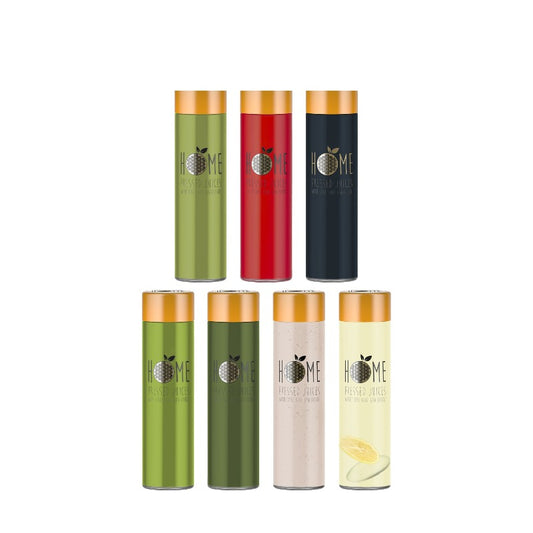
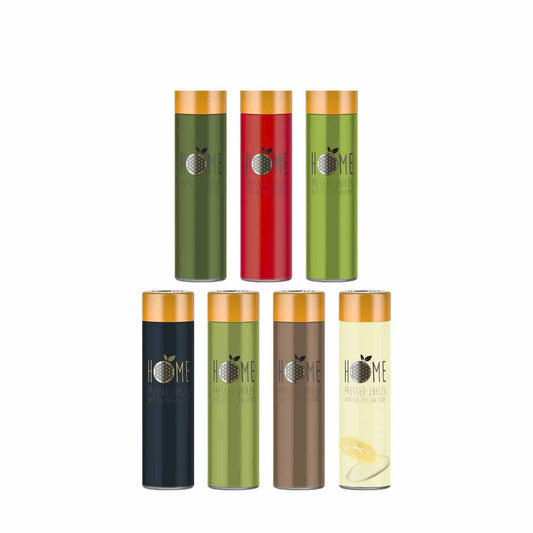
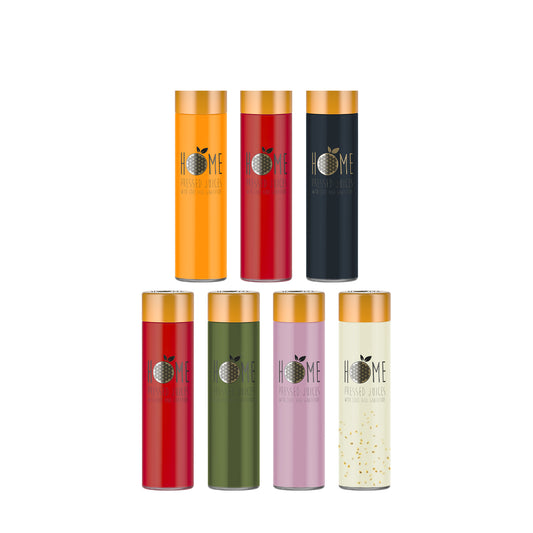
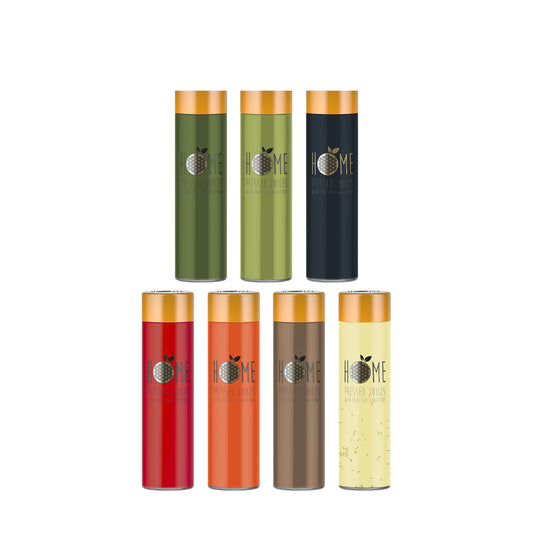
Prepared drinks are the faster path when shopping, pressing and cleaning are the obstacle. Homejuice juice cleanses use 100% certified organic ingredients, cold-pressed with no heat, and contain no additives or preservatives. These are product characteristics, not proof that a cleanse improves work performance.
Homejuice juice cleanses are best considered by FIFO workers during time at home, not as substitutes for meals on shift. You can also choose a juice bundle rather than committing to a cleanse programme.
- Decide whether you want juice-making or ready-prepared drinks.
- Read ingredients rather than choosing by a wellness name alone.
- Check nutrition information for each drink.
- Keep protein-rich foods and fibre-containing foods in your meals.
- Choose a bundle only if you can store and use it as directed.
4. Confirm refrigeration before ordering
Walk through the whole journey: delivery, home storage, transport and the place where you will drink the juice. A fridge at the destination does not solve an unrefrigerated flight or transfer.
Food Standards Australia New Zealand's food-safety guidance uses 5°C or colder for cold storage of potentially hazardous food. Follow the juice label's specific storage instructions and use-by date; do not assume that an insulated bag alone maintains the required temperature.
Homejuice servings are 375 ml, with seven juices per cleanse day. That is 2,625 ml of product to accommodate for a cleanse day—not a personal hydration target or proof that your nutritional needs are covered. Plan fridge space before choosing a programme.
- Read storage directions and use-by information before use.
- Check that you have sufficient reliable fridge space.
- Plan temperature-controlled transport where required.
- Confirm site rules for personal food and drinks.
- Avoid ordering around a flight without a workable storage plan.
5. Keep meals and water in the routine
Build your day around food first. A practical meal includes a protein source, vegetables or fruit, and a suitable carbohydrate source; portions depend on your needs and activity.
Drink juice because you enjoy it, not because a bottle must replace breakfast or lunch. Plain water remains useful throughout the day, while heat and heavy work require your site's hydration guidance. Juice is not a substitute for a workplace heat-management plan.
For a 2026 home reset, write down breakfast, lunch and dinner before deciding where a juice belongs. This makes gaps visible and helps you avoid turning a convenient drink into an unintended missed meal.
- Prepare meals before arranging a juice schedule.
- Include protein-rich foods such as eggs, beans, tofu, fish or meat.
- Include whole fruit, vegetables and other fibre-containing foods.
- Keep water accessible and follow workplace hydration instructions.
- Treat juice as an addition unless a clinician advises otherwise.
6. Review comfort rather than chasing a cleanse result
Use a simple note on your phone to record what you drank, whether you ate your meals, and how the routine fitted your day. You do not need a weight-loss target or a detox score.
Stop restricting food if you feel unwell, dizzy, shaky or unable to concentrate. These symptoms are not evidence that toxins are leaving your body. If symptoms are severe, persistent or concerning, seek medical help; during safety-critical work, follow your site's reporting procedures immediately.
Keep the habits that make eating easier across your roster. Recyclable packaging is a useful product feature, but check your local recycling instructions before disposing of bottles and packaging.
- Note whether the routine helped you organise meals.
- Record any digestive discomfort or other symptoms.
- Stop dietary restriction when you feel unwell.
- Report symptoms that affect safe work.
- Retain useful habits instead of extending a cleanse automatically.
Compare options for your FIFO routine
Choose the option that solves your actual problem. For a beginner, meals plus an optional juice is a more practical starting point than a juice-only programme; homemade juice offers control over ingredients but adds preparation and cleaning.
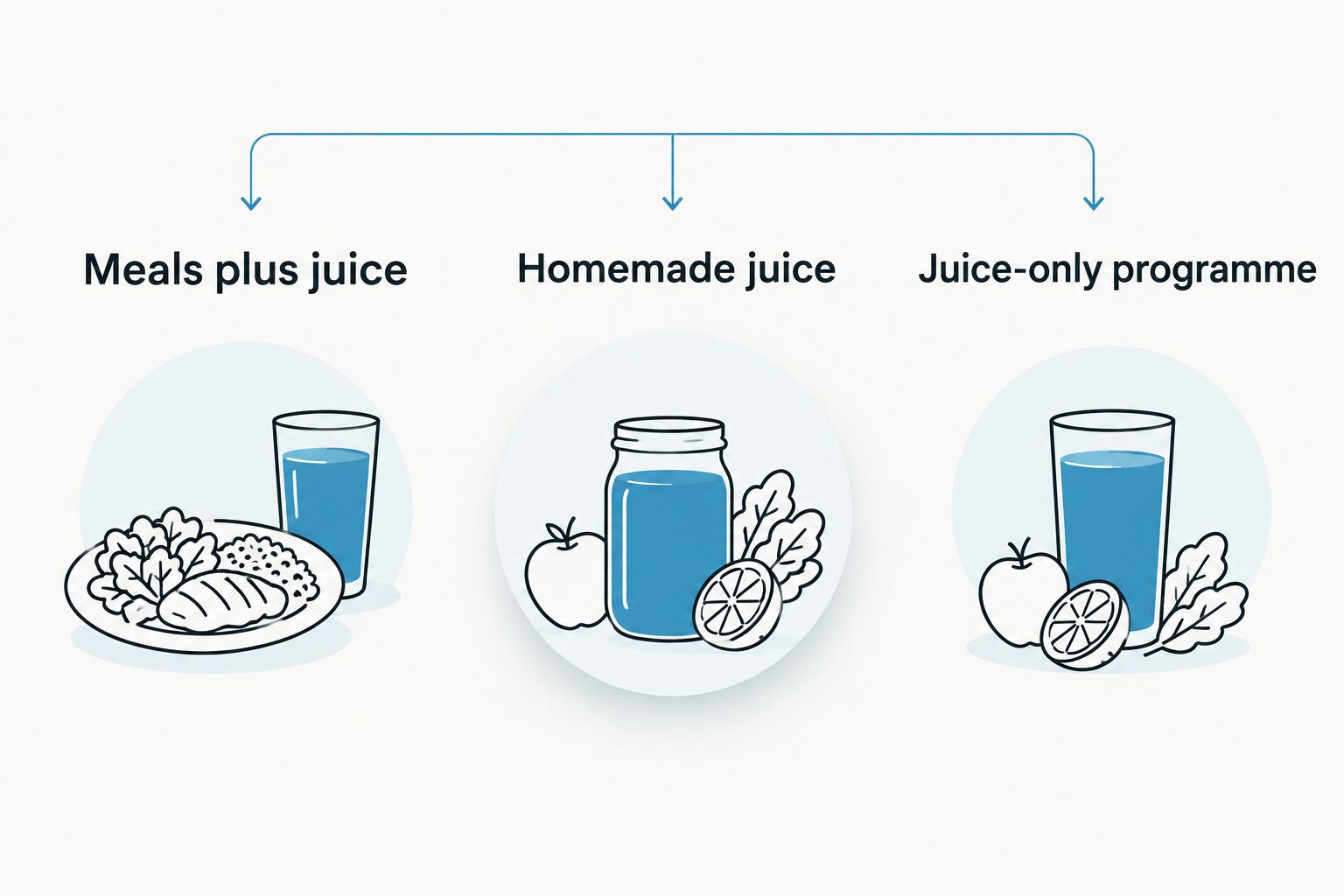
Each option below has a role and a limitation. Product names describe the range; they do not establish a medical benefit or suitability for your individual needs.
| Option | Best for | Practical advantage | Key limitation |
|---|---|---|---|
| Meals plus juice | FIFO beginners who want a manageable change | Keeps normal food in the routine | Requires meal planning as well as drink planning |
| Homemade juice | Workers at home who enjoy preparing ingredients | Lets you choose what goes into the juice | Requires equipment, cleaning and safe storage |
| Hydration Organic Juice Pack | Workers wanting a prepared selection of drinks alongside meals | Includes alkaline water and organic cold-pressed juices | Does not replace meals or a site hydration plan |
| 100% Organic Celery Juice Pack of 8 | Workers who specifically enjoy celery juice | Provides a ready-prepared single-ingredient juice option | Celery juice alone is not a balanced meal |
| Juice-only programme | People considering restriction after individual professional advice | Provides a defined drink schedule | Does not automatically meet nutritional needs; inappropriate as a default for demanding shifts |
Choose prepared drinks only after checking the basics
Homejuice offers a wide variety of juices and wellness drinks, so you do not need to choose the most restrictive format to try the range. The products below are options for drink variety alongside food, not recommendations to replace your meals.
The hydration pack suits someone wanting a mixed selection. The celery pack suits someone who already likes celery's flavour. Neither product makes it unnecessary to check ingredients, storage directions or personal suitability.


Common mistakes FIFO workers make with juice cleanses
- Starting on a flight or transfer day. Travel adds storage and meal-access questions. Confirm the whole journey before taking chilled juice away from home.
- Treating juice as enough for a demanding shift. A drink schedule does not establish adequate energy, protein or fibre. Keep food available and follow workplace requirements.
- Choosing by detox, gut or immunity wording alone. Read ingredients and nutrition information. Wellness language is not evidence that a product treats a condition.
- Interpreting dizziness as progress. Feeling unwell is a reason to stop restriction and assess what is happening, not to push through another bottle.
- Extending a cleanse because the first day felt manageable. Tolerating a short period does not establish nutritional adequacy. Review the plan rather than automatically adding days.
FAQ
What's the best way to approach a juice cleanse for FIFO workers?
Keep balanced meals in place and use juice as an optional drink around your roster. Avoid starting a restrictive juice-only routine during demanding or safety-critical shifts, and seek individual advice before replacing meals.
Can I take cold-pressed juice to a remote work site?
Take cold-pressed juice only when you can follow its storage directions throughout the journey and at the site. Check flight arrangements, temperature-controlled transport, fridge access and workplace rules before packing it.
Is a juice cleanse a good way to lose weight between swings?
A juice cleanse is not a reliable plan for lasting weight management. Build an eating pattern that fits both work and home, with advice from an accredited practising dietitian when needed.
How many juices are in a Homejuice cleanse day?
Homejuice provides seven juices per cleanse day in 375 ml servings. That drink schedule does not establish that a juice-only intake meets your nutritional needs.
Does organic celery juice detox my liver?
Organic celery juice is not a proven liver-detox treatment. Your liver already processes substances in your body, and celery juice should not replace medical assessment for liver or digestive concerns.
Should I stop if I feel dizzy during a cleanse?
Stop dietary restriction if you feel dizzy, shaky or unable to concentrate. Seek medical help for severe, persistent or concerning symptoms, and follow workplace reporting procedures if safe work is affected.
Is cold-pressed juice better than whole fruit for a FIFO routine?
Cold-pressed juice is not a replacement for whole fruit. Whole fruit generally provides more fibre, while juice offers a different drinking option; choose according to your meals, preferences and storage arrangements.
One last thing
Plan your first meal back on site before planning your first juice at home. A 2026 reset is more useful when it includes what happens after your days off: food for the transfer, a workable breakfast and drinks stored safely.
If the routine stops working when your roster changes, simplify it. Keep the meals, drop the restriction and use juice only where it genuinely helps.