
Exam-season students’ juice cleansing is a juice-based dietary reset aimed at simplifying wellness routines, but juice-only plans are not a suitable study-fuel strategy. For your 2026 exams, keep regular meals, water and sleep at the centre of your routine, and treat Homejuice cold-pressed juice as an optional drink rather than a replacement for food.
- A juice cleanse for exam season students should not replace balanced meals or become a study-performance strategy.
- Homejuice offers certified-organic cold-pressed juice; students should use it alongside food, not instead of food.
- Choose familiar meals, water and manageable meal prep before adding juice bundles to your exam-week routine.
- Detox product names do not establish benefits for concentration, memory or exam results.
Why juice cleansing matters for exam-season students
The useful question is not which cleanse sounds strongest. It is which routine lets you eat properly while revision, travel and exams compete for your attention. A drink is convenient, but convenience does not make it a complete meal.
During your 2026 exam season, separate a routine reset from a restrictive diet. A routine reset means planning breakfast, packing lunch and keeping water nearby. A restrictive diet means removing food groups or replacing meals with juice, which is a different decision with different nutritional consequences.
Juice supplies fluid and nutrients from its ingredients, but it does not replace the fibre, protein and variety of a balanced diet. Your liver and kidneys already process and remove waste; a juice cleanse is not required to make them do that job.
Choose consistency over a dramatic reset. You can enjoy an organic juice without turning your exam timetable into a cleanse timetable.
Build a meal-first exam routine
Start with the food and equipment you already have. A shopping list, a lunch container and access to drinking water are enough to make the first changes; buying a juice program is not a prerequisite.
The steps below suit students who want practical wellness support without introducing a restrictive eating plan. If you are considering changing your diet because of a medical condition, medication or concerns about weight, speak with your GP or an accredited practising dietitian first.
Keep balanced meals in your timetable
Put eating breaks into your revision calendar before choosing drinks. Start with familiar meals that include a protein source, carbohydrate foods and vegetables or fruit. That might mean eggs on toast, a bean-and-rice bowl, or yoghurt with oats and fruit, depending on your preferences and dietary needs.
Do not make a bottle of juice the fallback whenever a study session runs late. Keep an easy meal available instead. The aim is to remove decisions from a busy day, not remove food from it.
For your 2026 study plan, choose repeatable meals rather than an ambitious menu that needs constant cooking. A simple routine is easier to follow when you are tired or travelling between campus and home.
- Put meal breaks beside your study blocks.
- Keep ingredients for a familiar breakfast ready.
- Pack lunch before leaving for campus.
- Include a protein source in your main meals.
- Keep an easy dinner option at home.
Check whether restriction is appropriate for you
Before comparing cleanse names, check the reason you want one. Wanting an easier food routine is different from wanting rapid weight loss, compensation for eating, or a way to keep studying without meal breaks. Those goals need different responses.
Do not use a juice-only cleanse to manage exam stress or compensate for food. If eating feels difficult, guilt-driven or increasingly restrictive, seek support from a health professional or your student wellbeing service.
Students under 18 should not follow a restrictive cleanse. Pregnancy, breastfeeding, diabetes, an eating-disorder history and medicines affected by food intake also require individual advice rather than a generic program. Product descriptions cannot assess your personal needs.
- Write down what you want to change about your routine.
- Separate convenience goals from weight-loss goals.
- Check dietary changes with your clinician when relevant.
- Avoid starting a restrictive plan before an exam.
- Ask for support if food choices are causing distress.
Choose juice as an optional addition
Begin with water and ordinary food. If you enjoy juice, decide where it fits alongside a meal rather than treating it as the meal itself. Taste, ingredients and suitability for your diet matter more than a product name promising a reset.
Homejuice cold-pressed juice offers a ready-made alternative to preparing juice yourself. Its stated features include 100% certified-organic ingredients, cold pressing with no heat, no additives or preservatives, and recyclable packaging. Those are product-selection details, not proof of improved memory or concentration.
The standard serving is 375 ml. That describes the serving format; it is not a target you must finish or a personalised nutrition recommendation. Check the ingredient list and nutrition information before deciding how a drink fits your day.
- Choose flavours and ingredients you already enjoy.
- Read the full ingredient list, including allergens.
- Check nutrition information rather than relying on names.
- Pair juice with food instead of skipping a meal.
- Keep water as your everyday drink.
Plan around access to food and refrigeration
A homemade lunch works only if you can carry and store it appropriately. The same applies to cold-pressed juice. Before packing either, check where you will be studying and whether you have access to suitable storage.
For 2026 exam days, plan the journey as well as the desk session. A long commute, a library visit and an exam can leave you away from home through several eating opportunities. Pack food you can manage in that setting and follow the storage directions on each product.
Do not assume a chilled drink can sit in your bag throughout the day. Follow its label instructions for refrigeration and use-by guidance, and check the rules for food and drink inside your exam venue.
- Check storage instructions before packing.
- Use suitable chilled transport when required.
- Pack food for the time you will be away.
- Confirm your exam venue’s drink rules.
- Plan a meal after the exam, not just before it.
Compare formats before choosing a program
Choose a format by how you intend to use it. A juice pack alongside meals and a juice-only cleanse are not interchangeable. The first adds a drink to your routine; the second changes what you eat throughout the day.
Homejuice describes its cleanse format as 7 juices per cleanse day, with 375 ml servings. Together, that is 2,625 ml of juice per cleanse day. This calculation explains the program’s liquid volume; it is neither a hydration target nor a recommendation for students.
You do not need to follow a cleanse schedule to enjoy cold-pressed juice. For exam season, an optional drink alongside familiar meals is the more appropriate use. Leave restrictive diet decisions to an individual discussion with a qualified health professional.
- Decide whether you want a drink or a dietary program.
- Check serving information before choosing a pack.
- Assess storage space for the full format.
- Do not copy a cleanse schedule into your exam timetable.
- Keep normal meals in place when adding juice.
Prepare a repeatable study-day sequence
Build your day around a simple sequence: Eat breakfast, Pack lunch, Carry water, Take breaks. These actions work without a special product and remain useful whether you study at home, on campus or in a library.
Try the sequence on an ordinary revision day before relying on it during an exam. Notice practical friction: a lunch that needs unavailable equipment, a bottle that leaks, or a breakfast that takes too long to prepare. Change the logistics rather than cutting out the meal.
Keep your 2026 routine familiar. Exam morning is not the moment to experiment with a new juice-only plan, an unfamiliar tonic or a major change in food intake.
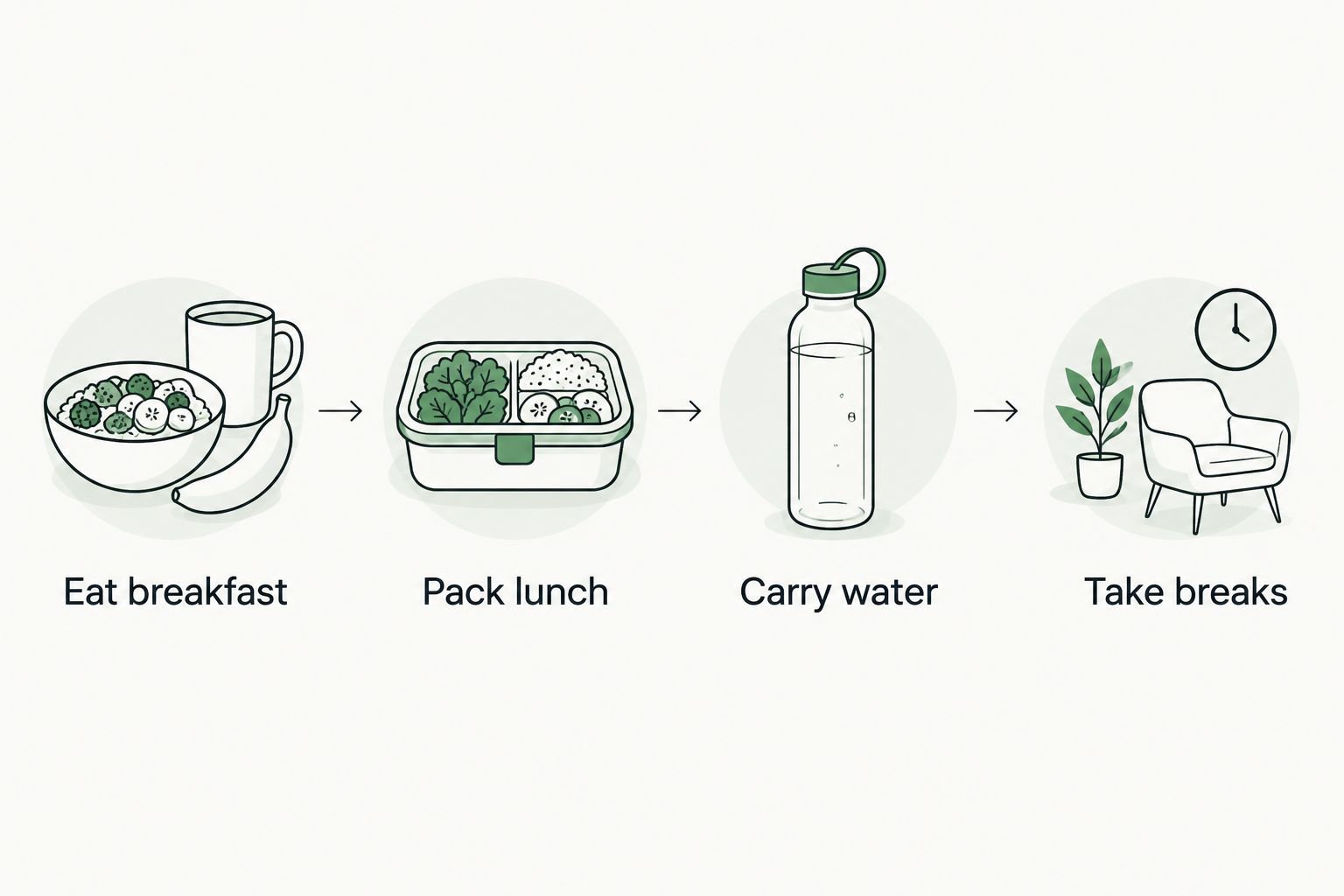
- Prepare breakfast ingredients the night before.
- Pack lunch in a container suited to your day.
- Carry water where your venue permits it.
- Schedule breaks away from revision materials.
- Test the routine before your exam day.
Review comfort rather than chasing a detox result
Judge a change by whether it makes your routine easier to manage. Are you eating regularly? Can you carry what you need? Are you spending less time deciding what to eat? Those questions are more useful than trying to measure a detox effect.
Do not interpret hunger, dizziness or feeling unwell as proof that a cleanse is working. Stop the restrictive plan and seek medical advice about symptoms. Severe or persistent symptoms need prompt assessment, not another wellness drink.
You also do not need to keep a product simply because its name matches your goal. If a juice does not suit your taste, dietary needs or daily routine, leave it out. A useful reset should simplify your choices rather than create pressure.
- Check whether you are still eating regular meals.
- Notice symptoms rather than dismissing them.
- Stop restriction if you feel unwell.
- Seek professional advice when symptoms persist.
- Keep only the habits that fit your needs.
Compare your exam-season options
Homejuice cold-pressed juice is best for students wanting certified-organic drinks alongside meals, not instead of them. Its preparation format offers convenience, but it does not remove the need to plan balanced food.
Use this comparison to decide what role a drink should play. There is no need to select the most restrictive option to make your routine feel more intentional.
| Option | Best for | Practical advantage | Key limitation |
|---|---|---|---|
| Familiar meals and water | Students wanting a simple exam routine | Uses ordinary food and existing habits | Requires planning around campus and travel |
| Homemade juice alongside meals | Students who enjoy preparing drinks | Lets you choose your ingredients | Needs preparation and cleaning; does not replace a balanced meal |
| Hydration Organic Juice Pack alongside meals | Students wanting a prepared juice-and-water selection | Includes alkaline water and organic cold-pressed juices | The pack name does not establish an advantage over ordinary water for hydration |
| Juice-only cleanse | Students considering a restrictive dietary program, rather than a study aid | Provides a defined drink schedule | Replaces food variety and is not recommended as exam fuel |
Consider prepared drinks without committing to a cleanse
The Hydration Organic Juice Pack combines alkaline water and organic cold-pressed juices. Best for: students who want that prepared selection alongside food. Its limitation is straightforward: neither the name nor the inclusion of alkaline water makes it a substitute for meals or establishes a concentration benefit.
The 100% Organic Celery Juice Pack of 8 contains straight organic celery juice. Best for: students who already enjoy celery juice and want a single-ingredient choice. Its narrower flavour range will not suit everyone, and celery juice is not a complete breakfast or a study-performance treatment.
These are optional drinks, not requirements for a successful exam routine. Choose neither if water and your usual meals already meet your preferences.


Common mistakes exam-season students make
Treating a detox name as a concentration claim
A product name referring to detox, immunity or radiance does not demonstrate an effect on memory, focus or exam performance. Read it as product positioning, then assess ingredients and suitability. Do not choose a drink expecting it to improve your marks.
Using juice to avoid a meal break
A drink is easy to consume beside revision notes, but that does not make skipping lunch a useful habit. Keep the break and the meal. If preparation is the obstacle, simplify your food choices rather than replacing food with a cleanse schedule.
Starting an unfamiliar routine on exam morning
A new flavour, tonic or restrictive eating pattern adds an avoidable change to an already demanding day. Stick with food and drinks you know suit you. Consider optional additions during ordinary days, without making them a condition of studying well.
Turning post-exam eating into something to compensate for
You do not need to earn dinner, undo a celebration meal or cleanse after eating differently. Return to your familiar meals and routine. If guilt about food is driving cleanse decisions, seek support rather than choosing a stricter program.
FAQ
What's the best juice cleanse for exam season students?
The best exam-season approach is a meal-first routine, not a juice-only cleanse. Keep balanced meals and water in place; enjoy juice as an optional drink if it suits your preferences and dietary needs.
Will a juice cleanse help me concentrate while studying?
Do not use a juice cleanse as a concentration aid. Certified-organic ingredients and cold pressing describe a product, not a demonstrated benefit for memory, focus or exam results.
Can I drink cold-pressed juice with breakfast?
You can enjoy cold-pressed juice alongside breakfast if it suits your dietary needs. Keep the meal itself, and check the juice's ingredients and nutrition information rather than treating the drink as a replacement.
Is organic juice better than eating fruit during revision?
Organic juice is not a replacement for whole fruit. Whole fruit contributes fibre, while juice offers a different format; choose based on your dietary needs rather than assuming organic certification makes a drink nutritionally complete.
How many juices are in a Homejuice cleanse day?
Homejuice describes its cleanse format as seven juices per cleanse day, with 375 ml servings. That totals 2,625 ml of juice, but it is not a student hydration target or a recommendation to replace meals.
Should I start a cleanse the day before an exam?
No—keep your food routine familiar before an exam rather than starting a restrictive cleanse. Plan meals, water, travel and rest without introducing a major dietary change.
Can younger students follow a juice-only cleanse?
Students under 18 should not follow a restrictive juice-only cleanse. Seek individual guidance from a qualified health professional about nutrition, particularly if weight concerns or difficulties with eating are involved.
What should I do if a cleanse makes me dizzy?
Stop the restrictive plan and seek medical advice rather than treating dizziness as a detox sign. Severe or persistent symptoms require prompt assessment.
One last thing
Before your next revision session, prepare tomorrow’s lunch before choosing tomorrow’s wellness drink. It is a small change that addresses the practical reason meals get missed: food is not ready when you need it.
For your 2026 exams, let “reset” mean returning to a manageable routine—not removing meals. Keep juice optional, food familiar and decisions simple. You do not need a cleanse to give yourself a fresh start.