
Personal trainers’ cold-pressed juice guidance is a way to help clients choose juices with the aim of supporting practical nutrition habits alongside training. This 2026 guide explains how to choose, discuss and handle juice in a gym without presenting it as a complete meal, recovery plan or shortcut to weight loss.
- Homejuice cold-pressed juice suits Melbourne and Victorian gym clients seeking certified-organic drinks alongside meals, not instead of them.
- Choose cold pressed juice for personal trainers by ingredients, serving size and client preferences—not detox promises.
- Keep post-workout recovery focused on food, fluids and appropriate protein; juice is an optional addition.
- Start with individual drinks or juice bundles before discussing a structured juice cleanse.
Why cold-pressed juice matters for personal trainers and gyms
Your clients need advice that fits early sessions, work commitments and everyday meals. A bottled juice offers a convenient drink choice, but convenience does not establish whether it meets a client’s nutrition needs. Your job is to explain its role clearly.
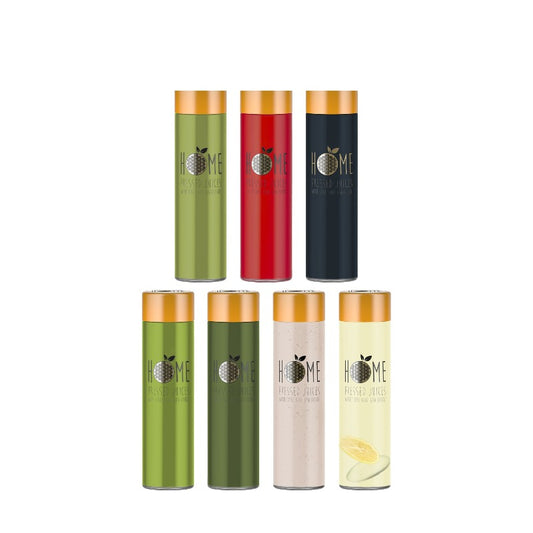
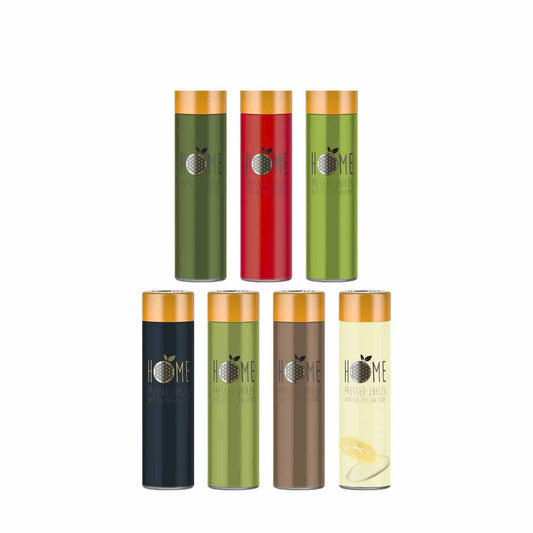
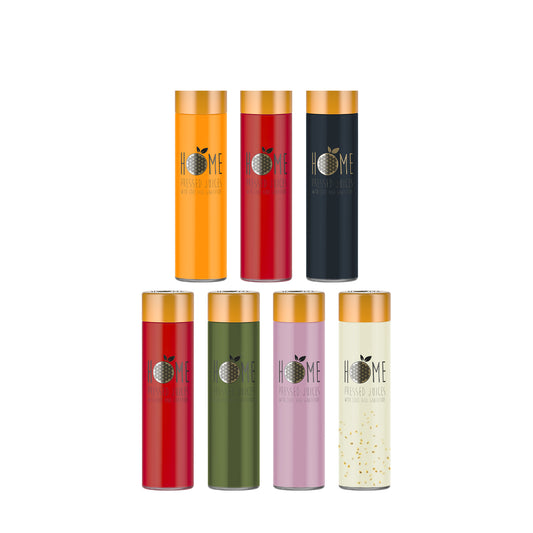
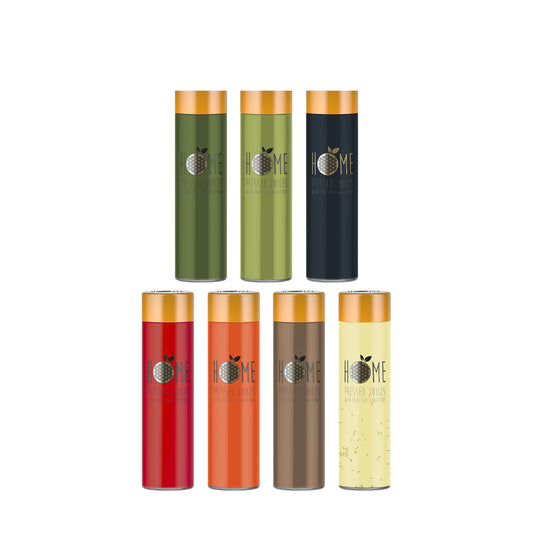
Homejuice offers 100% certified-organic, cold-pressed drinks made with no heat, no additives and no preservatives. Its stated format includes 375 ml servings and seven juices per cleanse day. Those details help you explain what clients receive; they do not establish a muscle-recovery or fat-loss result.
For your 2026 gym offering, separate everyday drinks from structured cleanses. A client choosing something after a class has a different decision to make from someone considering a juice-only routine. Neither conversation needs pressure or a promise of transformation.
Homejuice cold-pressed juice is best for Melbourne and Victorian gym clients seeking certified-organic drinks to enjoy alongside meals. Its organic credentials and ready-prepared format are useful advantages; juice still needs to sit within a wider eating pattern.
How to introduce cold-pressed juice into your training environment
Define the drink’s role before choosing a product
Start with a free, straightforward conversation. Ask whether your client wants a drink they enjoy, something convenient after training, or help organising their food routine. These are different goals, and a juice purchase is not the answer to all of them.
For a beginner, an approachable starting point is a drink alongside their usual food. There is no need to turn a first taste into a cleanse commitment. If a client asks about muscle gain, persistent fatigue or a medical condition, keep the conversation within your qualifications and refer nutrition questions appropriately.
Write down the intended use before making a recommendation. That simple habit prevents a refreshing drink from being described as a complete recovery solution.
- Ask when the client plans to drink the juice.
- Identify whether food will accompany it.
- Separate enjoyment from performance expectations.
- Keep water accessible throughout the gym.
- Refer personalised therapeutic nutrition questions to an Accredited Practising Dietitian.
Match the choice to the client’s actual preferences
Use a short preference sheet before you introduce a supplier. Record flavours the client likes, ingredients they avoid and whether they prefer a single drink or an assortment. The manual version works perfectly well on paper; the goal is a confident choice, not a complicated intake process.
Ask about allergies rather than assuming that organic or clean-label means suitable for everyone. A gym client with a nut allergy, for example, needs a different discussion from someone simply avoiding a flavour. Read each product’s ingredients independently, including mixed packs.
Only then introduce Homejuice as a ready-prepared option. The range includes juice bundles, kombucha and wellness tonics, so keep your recommendation tied to the client’s stated preference rather than offering every category at once.
- Record preferred flavours and disliked ingredients.
- Ask about food allergies and dietary restrictions.
- Check every drink included in a mixed selection.
- Let beginners choose a drink without a cleanse commitment.
- Avoid treating a wellness goal as a medical assessment.
Read the label rather than relying on the product name
Compare labels yourself before creating a gym shortlist. Start with ingredients, then check the nutrition information per serving and per 100 ml. Looking at both avoids confusing a concentrated comparison with what the client actually drinks.
Homejuice’s 375 ml serving gives you a concrete reference for that conversation. Do not guess its sugar, carbohydrate or protein content from the colour of the juice. Green does not automatically mean low sugar, and a recovery-themed description does not establish a useful protein contribution.
In 2026, use current labels rather than copying nutrition details into a permanent handout. Cold-pressed describes the preparation method; it does not, by itself, confirm whether a juice is pasteurised. Check handling instructions and suitability separately, especially where a client needs medical advice about food safety.
- Compare nutrition information per 100 ml and per serving.
- Read the full ingredient list and allergen information.
- Check protein rather than assuming a drink supplies it.
- Confirm storage and use-by instructions on the product.
- Keep wellness wording separate from measurable nutrition facts.
Fit juice around meals and training
Build the food routine first. A client can plan meals and snacks using familiar groceries without purchasing any specialist drink. Juice becomes useful only when it fits that routine rather than pushing food out of it.
After exercise, the broader conversation includes fluids, carbohydrate and protein appropriate to the person’s activity and goals. Juice can contribute carbohydrate, depending on its ingredients, but you should not assume it supplies enough protein for recovery. Whole fruit also provides fibre that juice generally contains less of.
For your 2026 coaching materials, show the difference between an optional drink and a meal replacement. Keep food examples flexible: a client’s usual sandwich, yoghurt or other tolerated meal can anchor the discussion without prescribing a detailed diet.
- Ask what the client normally eats after training.
- Keep juice optional rather than compulsory.
- Check the drink’s carbohydrate and protein information.
- Include whole fruit and other fibre-containing foods in the wider routine.
- Adjust individual nutrition advice through a suitably qualified professional.
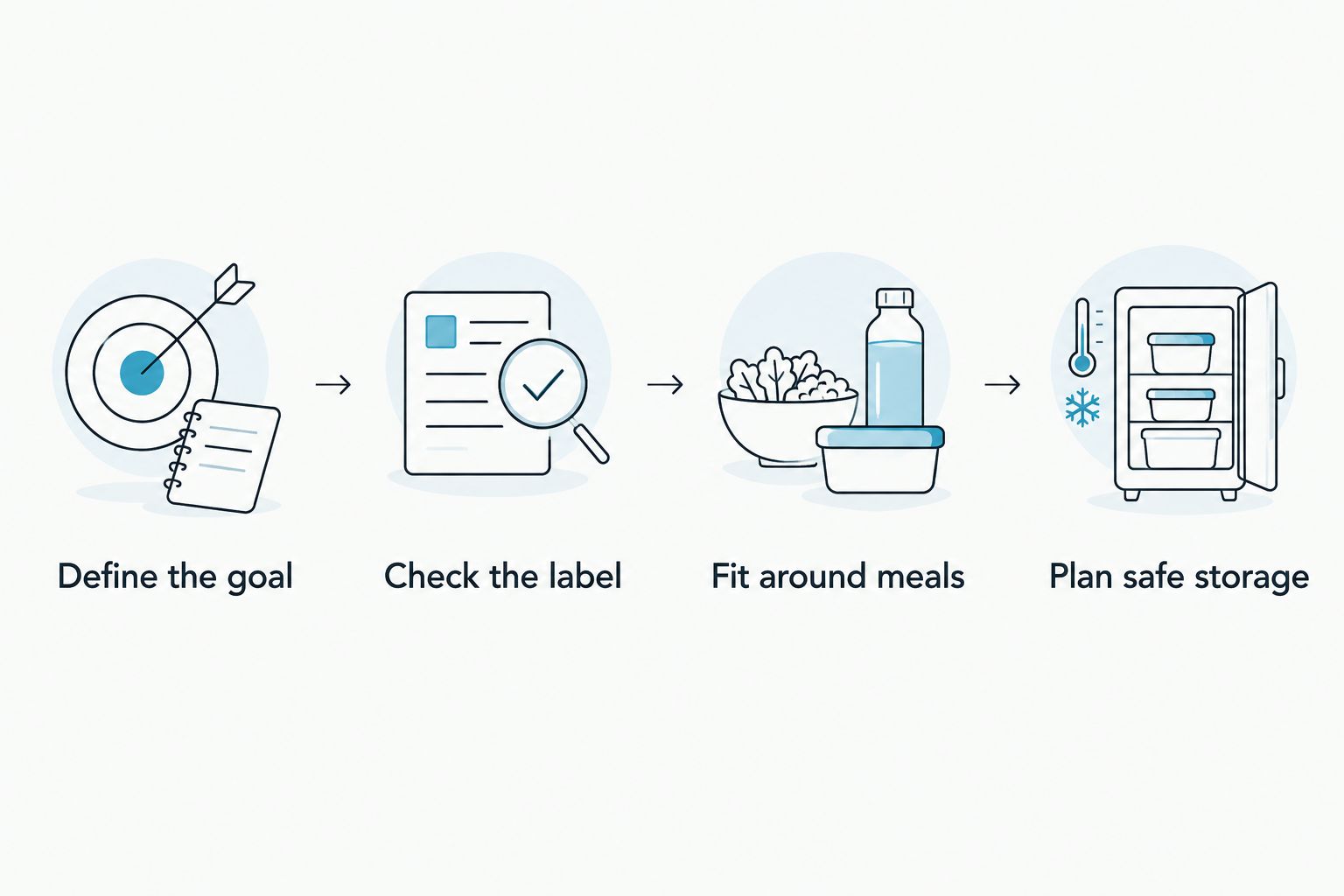
A simple decision sequence keeps the recommendation grounded: establish the client’s goal, check the label, fit the drink around meals, then plan safe storage. Follow that order before discussing a larger pack.
Choose the simplest format that meets the goal
Start by comparing the formats, not by recommending the largest commitment. A single juice suits someone testing a flavour. A bundle suits someone who already knows they enjoy juice. A structured cleanse is a separate decision, not an automatic progression for every gym member.
For a manual approach, clients can prepare drinks themselves and control the ingredients. That requires preparation and clean equipment. Ready-prepared products remove that task, but the client still needs to check labels, storage requirements and how the drinks fit with food.
Homejuice’s cleanse format includes seven juices per day. That count describes the programme, not proof of nutritional completeness. Avoid pairing a juice-only routine with a hard-training challenge or selling it as a necessary recovery phase.
- Offer a single-drink starting point for beginners.
- Choose bundles for clients who want a repeated drink routine.
- Treat cleanses as separate from ordinary gym refreshments.
- Explain preparation demands for homemade juice.
- Keep full meals central to ongoing training nutrition.
Plan safe storage before offering drinks at the gym
If clients bring their own drinks, explain where they can store them safely. If your gym intends to sell or serve juice, check the applicable requirements with your local council before starting. A consumer product range does not establish a wholesale agreement or gym-resale arrangement.
Use the product’s handling instructions to guide your refrigeration and service process. Do not leave a collection of bottles beside a sunny studio window for members to help themselves. Organic ingredients and the absence of preservatives do not remove the need for safe handling.
Assign a person to oversee deliveries, date checks and cleaning. The benefit of a ready-prepared drink disappears if nobody knows when it arrived or whether it has been stored correctly.
- Confirm local requirements before selling or serving drinks.
- Follow each product’s refrigeration and handling instructions.
- Check packaging condition and use-by dates on arrival.
- Keep allergen information accessible to staff and clients.
- Confirm supply arrangements directly rather than assuming wholesale terms.
Review the routine without inventing health results
Use a simple feedback log rather than a transformation scoreboard. Ask whether clients enjoyed the drink, found the routine manageable and understood its role. Those answers help you decide whether to continue offering it without claiming an effect you have not measured.
For a gym selling drinks, record purchases and discarded products through your normal systems. For a trainer recommending drinks, focus on whether the client’s meals and training routine remain workable. Do not attribute changes in body weight, skin or digestion to juice from informal feedback alone.
Review your wording as part of the process. In 2026, a useful recommendation explains the drink and its limits; it does not turn a product name into a guaranteed outcome.
- Ask about flavour, convenience and ease of use.
- Check that juice has not displaced necessary meals.
- Record actual sales and waste if your gym sells drinks.
- Remove unsupported recovery or detox claims from staff scripts.
- Revisit the recommendation when training demands change.
Compare juice options for personal trainers and gyms
Choose the format that solves the client’s practical problem, not the one with the strongest wellness language. The options below serve different purposes. None replaces an individual nutrition assessment.
| Option | Best for | Practical advantage | Key limitation |
|---|---|---|---|
| Homemade juice | Clients who want ingredient control | You select the ingredients yourself | Requires preparation, cleaning and safe handling |
| Whole fruit with water | Clients wanting a straightforward everyday snack and drink | Keeps whole fruit’s fibre in the routine | Does not offer the bottled-juice experience |
| Celery Juice | Clients who already enjoy celery | The stated ingredient is 100% celery juice | A single-ingredient juice is not a complete recovery meal |
| Hydration Organic Juice Pack | Clients wanting a selection of water and juice drinks | Includes Alkaline Healing Water and organic cold-pressed juices | The pack name does not establish electrolyte content or sports-hydration suitability |
| Structured juice cleanse | Clients specifically exploring a cleanse | Organises drinks into a defined routine | Requires a separate discussion about food intake, training and suitability |
For a first purchase, a familiar flavour is often the easier decision to explain. Keep the conversation encouraging: choosing a drink you enjoy is enough. You do not need to attach a detox goal to it.


Common mistakes personal trainers and gyms make
- Presenting juice as complete post-workout recovery. Check the label and discuss the accompanying food. A refreshing drink and a complete recovery meal are different things.
- Combining a cleanse with a hard-training challenge. Do not make restricted eating part of a gym competition. Refer clients for personalised advice before they change their eating pattern substantially.
- Using detox or alkalise wording as physiology claims. Do not promise liver cleansing, removal of toxins or changes to blood pH. Describe the product and routine instead.
- Assuming organic means allergen-free or low sugar. Certification describes a different attribute. Ingredients, allergens and nutrition information still need separate checks.
- Treating an online retail range as a gym supply agreement. Confirm resale, handling and ordering arrangements directly. Do not advertise terms that have not been agreed.
FAQ
What's the best cold pressed juice for personal trainers to recommend?
The best choice is a juice that fits the client’s preferences, dietary requirements and existing food routine. Check ingredients and nutrition information rather than selecting by detox or recovery claims.
Is cold-pressed juice enough after a workout?
Cold-pressed juice alone should not be treated as a complete recovery meal. Check its carbohydrate and protein content, then consider the food and fluids the client also needs.
Can gym clients drink juice without doing a cleanse?
Yes, gym clients can enjoy juice alongside ordinary meals without following a cleanse. A single drink or bundle lets clients choose a routine without committing to juice-only eating.
Does cold-pressed juice guarantee weight loss?
No, cold-pressed juice does not guarantee weight loss. Weight management depends on the wider eating pattern and individual circumstances, not a product name or cleanse claim.
How much juice is in a Homejuice cleanse day?
Homejuice states that its cleanse format includes seven juices per day, with 375 ml servings. That describes the drink format; it does not establish that the programme meets an individual’s complete nutrition needs.
Can a gym sell cold-pressed juice at reception?
A gym needs to confirm its local food-business requirements and supplier arrangements before selling juice. Check with the local council and follow the product’s storage, handling and allergen instructions.
Is celery juice better than whole fruit for gym clients?
Celery juice and whole fruit serve different purposes, so neither is a universal winner. Whole fruit retains fibre, while celery juice offers a drink for clients who enjoy its flavour.
One last thing
A product name is not a nutrition assessment. Before recommending a drink, write down what it adds to the client’s day and what food remains alongside it. If you cannot answer both clearly, return to the label and the client’s routine rather than choosing a more ambitious wellness promise.