
A corporate wellness juice cleanse is an optional, planned juice routine with the aim of supporting employees’ personal wellbeing goals, not improving performance through food restriction. This 2026 guide explains how to choose cold-pressed drinks, include employees with different needs, and organise a workplace program without making medical or weight-loss promises.
- Keep a juice cleanse for corporate wellness programs voluntary; offer drinks alongside normal meals, not as a workplace requirement.
- Homejuice is best for Melbourne teams seeking certified organic cold-pressed juice options for an opt-in wellness activity.
- Check ingredients, refrigeration instructions and employee preferences before choosing juice bundles.
- Measure participation, enjoyment and waste—not weight loss, detox results or employee productivity.
Why cold-pressed juice matters for corporate wellness programs
Workplace wellness needs to accommodate different appetites, schedules and relationships with food. A shared drink break is a simpler starting point than asking colleagues to follow the same cleanse, particularly when some work remotely, perform physical tasks or need regular meals.
Homejuice offers 100% certified organic cold-pressed juices made with no heat, additives or preservatives, plus juice bundles, kombucha and wellness tonics. Those product details give you clear purchasing criteria; they do not establish that a workplace cleanse improves attendance, concentration or health.
Homejuice is best for Melbourne teams seeking certified organic cold-pressed juice options for an opt-in wellness activity. Its product range supports choice, but choosing drinks and organising employee participation remain separate tasks.
For your 2026 program, use “reset” to describe a welcome pause or a refreshed routine—not a promise to remove toxins. Juice does not replace a balanced diet, and a workplace activity should not ask employees to change their eating patterns to demonstrate commitment.
How to organise an inclusive workplace juice program
1. Define a practical goal
Start with a short internal brief. Decide whether you want to offer an enjoyable afternoon drink, introduce colleagues to cold-pressed juice or help employees explore an optional personal routine. These are different activities, and each needs a different level of planning.
For beginners, choose a tasting or drink break alongside ordinary meals. You can organise this with an existing staff email, a spreadsheet and your usual kitchen facilities; a specialist platform or cleanse purchase is not a prerequisite.
Keep the goal within your control. You can provide a choice of drinks and a welcoming break. You cannot promise more energy, fewer sick days, liver detoxification or weight loss from handing out juice.
Make the invitation equally comfortable for someone who joins and someone who declines. If employees have to explain their choice to a manager, the activity is not genuinely low-pressure.
- Write down the purpose before selecting products.
- State that participation is optional.
- Keep normal meals and water available.
- Avoid weight-loss targets or cleanse-completion challenges.
- Choose a named organiser for questions and logistics.
2. Ask about preferences without collecting medical histories
Use a short, optional survey before buying anything. Ask about preferred flavours, work location and whether employees want a drink alongside lunch or would rather skip the activity. Give people a neutral way to decline.
Dietary needs require care, but your team survey is not a health assessment. Provide access to ingredient information and a private route for practical questions. Do not ask managers to decide who is medically suitable for a cleanse.
People who are pregnant, have diabetes, take medicines affected by food intake or have a history of eating disorders should seek advice from their healthcare professional before changing their eating routine. Employees do not need to disclose these circumstances to participate in ordinary workplace life.
In 2026, make flexibility part of the invitation rather than an exception someone must request. A clear opt-out prevents a friendly activity from becoming a test of personal health choices.
- Ask which flavours employees enjoy.
- Include “no juice, thanks” as a response.
- Ask where participants will collect their drinks.
- Share ingredients before requesting a final selection.
- Keep health information out of shared spreadsheets.
3. Choose the least restrictive format
First compare the formats you can organise yourself: fresh fruit at a break, homemade juice for a small gathering, or individually selected drinks. Consider preparation, cleaning and ingredient communication before deciding that a cleanse is the right approach.
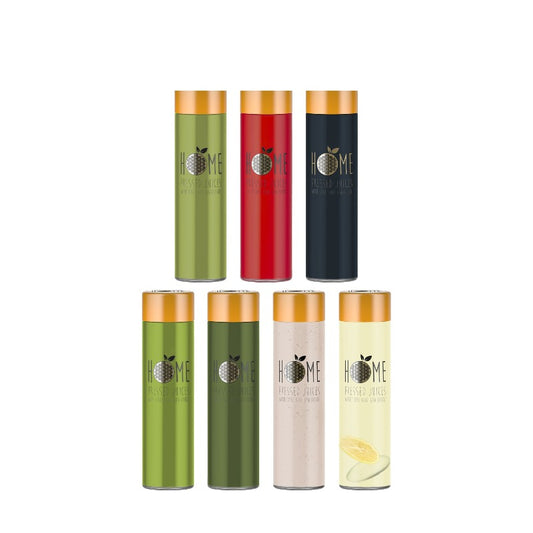
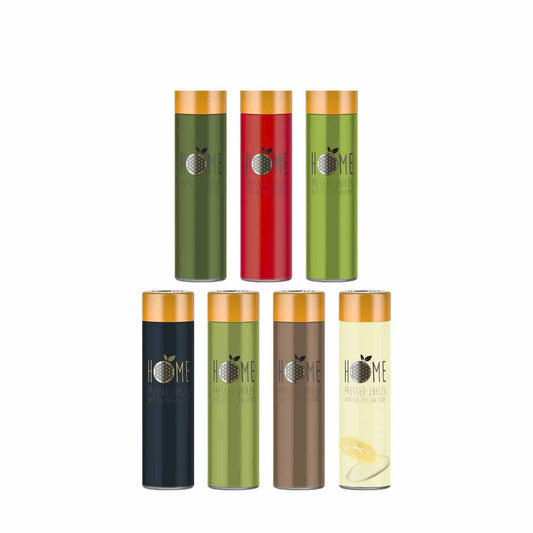
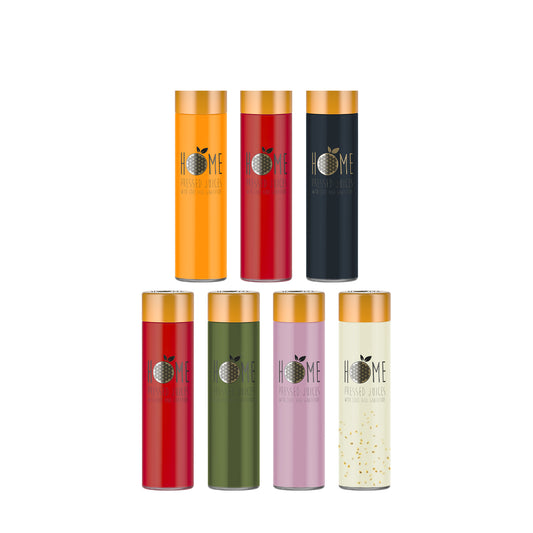
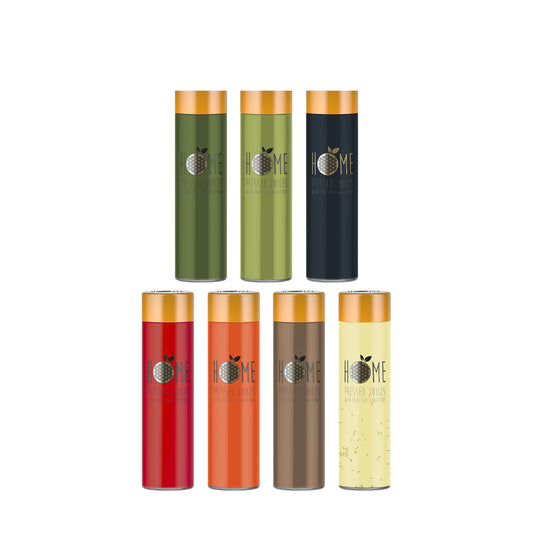
Ready-made cold-pressed juice is the faster preparation path because you do not need to juice produce yourself. Homejuice cold-pressed juice comes in 375 ml servings, and its cleanse format provides seven juices per cleanse day. That is a structured personal routine, not the same activity as offering a single drink at work.
Best for beginners: offer a drink alongside food. Keep any full cleanse separate from the shared workplace activity, and leave the decision to the individual. Do not distribute a daily cleanse schedule as an instruction from management.
A wide product range helps with flavour choice, but it also creates more labels to check. Avoid selecting every drink by a wellness-themed name; look at what each product contains and how the employee intends to use it.
- Choose between a tasting, shared drink break and personal routine.
- Match the format to the working day.
- Review ingredients rather than relying on product names.
- Keep a non-juice option in the same invitation.
- Separate cleanse participation from team participation.
4. Plan collection and storage before ordering
Start with your actual workplace setup. Check who can receive the order, where drinks will go and how participants will find their selection. Confirm the supplier’s current delivery arrangements and the product’s storage instructions before committing to a date.
Use a 1-day pilot to test your process, rather than beginning with a recurring workplace program. This is an organising recommendation, not a suggested cleanse duration. A pilot lets you check whether collection works for reception staff, shift workers and people arriving outside the main office hours.
Cold-pressed does not mean shelf-stable. Follow the label’s refrigeration and use-by instructions, and confirm that your storage space can accommodate the order alongside employees’ lunches.
Keep remote colleagues in the plan without assuming that a supplier covers every address. Ask whether a separate activity or an equivalent non-food option would suit them better.
- Confirm delivery arrangements before announcing the event.
- Assign a person to receive and store the drinks.
- Check fridge capacity and product instructions.
- Write clear collection directions.
- Plan for absent participants and uncollected drinks.
5. Prepare a simple employee invitation
Write the invitation yourself before choosing promotional material. State what the activity includes, when it happens and that employees can continue eating as usual. Use plain wording that makes the choice easy.
For a 2026 workplace invitation, “an optional cold-pressed juice break” is clearer than “a company detox challenge”. A product description can explain ingredients and preparation, but it should not become an employer’s promise about immunity, gut health or skin changes.
Explain any personal cleanse option separately. Employees should understand the difference between receiving a workplace drink and choosing a structured routine outside the shared activity.
Choose language that welcomes beginners without ranking anyone’s habits. Words such as “clean” and “reset” should not suggest that colleagues who eat differently are unhealthy or less committed to wellbeing.
- Include the date, collection location and organiser.
- Explain that drinks are optional and meals continue normally.
- Provide ingredient information before the event.
- Avoid detox, immunity and productivity guarantees.
- Do not request before-and-after photos or weigh-ins.
6. Run the activity around the working day
Use the first event to make participation straightforward. Put collection information where employees already look, keep ingredient details accessible and avoid asking everyone to attend at one fixed moment if their jobs make that difficult.
A drink break should fit the work, not interrupt essential duties. Employees who drive, operate equipment or do physical work should not be encouraged to skip meals as part of a team challenge. The same principle applies to colleagues who need food at regular times.
Keep the experience social without monitoring consumption. You do not need to check whether someone finishes a bottle or follows a cleanse plan. A person who takes water and joins the conversation has participated just as meaningfully.
Recyclable packaging is one of the brand’s stated product features. Make disposal practical by checking your workplace recycling arrangements rather than assuming every bottle will be recycled automatically.
- Offer collection times that fit different shifts.
- Keep drinks separate from personal lunches in shared storage.
- Leave normal food and water accessible.
- Avoid tracking individual consumption.
- Provide suitable recycling instructions at the collection point.
7. Measure enjoyment and waste, then adjust
Start with a simple event log and a 3-question feedback form. Ask whether employees enjoyed the activity, whether collection was convenient and what they would change. You can collect useful feedback without gathering health information.
Record how many drinks were selected, collected and left over. These are operational measures: they help you adjust quantities and collection arrangements. They do not demonstrate better employee health or a return on investment from juice.
For your next 2026 event, change one practical element based on the responses. That might mean fewer flavour choices, a different collection window or switching from a cleanse-themed activity to an ordinary shared break.
Do not treat a polite response as a clinical result. “I enjoyed the drink” supports repeating that drink; it does not support a claim about detoxification, concentration or reduced absenteeism.
- Count selections, collections and leftovers.
- Ask about enjoyment and convenience.
- Record repeated flavour requests.
- Keep feedback anonymous where practical.
- Repeat the activity only when feedback supports it.
Compare options for your workplace
The best format is the one employees can choose freely and organisers can manage safely. Compare the work involved as well as the drink itself; an appealing product is not automatically a suitable program.
| Option | Best for | Main advantage | Key limitation |
|---|---|---|---|
| Whole fruit and water | Teams wanting a simple shared break | Avoids a cleanse schedule and keeps whole fruit available | Does not provide a cold-pressed juice experience |
| Homemade juice | Small groups with suitable preparation facilities | Lets you choose ingredients directly | Requires preparation, cleaning and clear ingredient information |
| Hydration Organic Juice Pack | Teams exploring juice and water options | Includes organic cold-pressed juices and Alkaline Healing Water | The pack name is not evidence of better hydration than ordinary water |
| 100% Organic Celery Juice Pack of 8 | Employees who already enjoy celery juice | Contains straight organic celery juice | A single-flavour choice does not suit everyone; it is not a meal replacement |
| A structured personal juice cleanse | Adults independently choosing a personal routine | Provides a defined format rather than an improvised schedule | Needs individual suitability consideration and should not be a workplace requirement |
Homejuice offers convenient ready-made choices, but you still need to check ingredients, storage instructions and delivery arrangements. Certified organic production and no additives or preservatives describe the products; they do not make every drink appropriate for every employee.
The two packs below suit different preferences rather than different medical needs. Choose the Hydration Organic Juice Pack for variety, or the 100% Organic Celery Juice Pack of 8 for confirmed celery-juice preferences. Neither needs to be presented as a cleanse challenge.


Build choice into the program
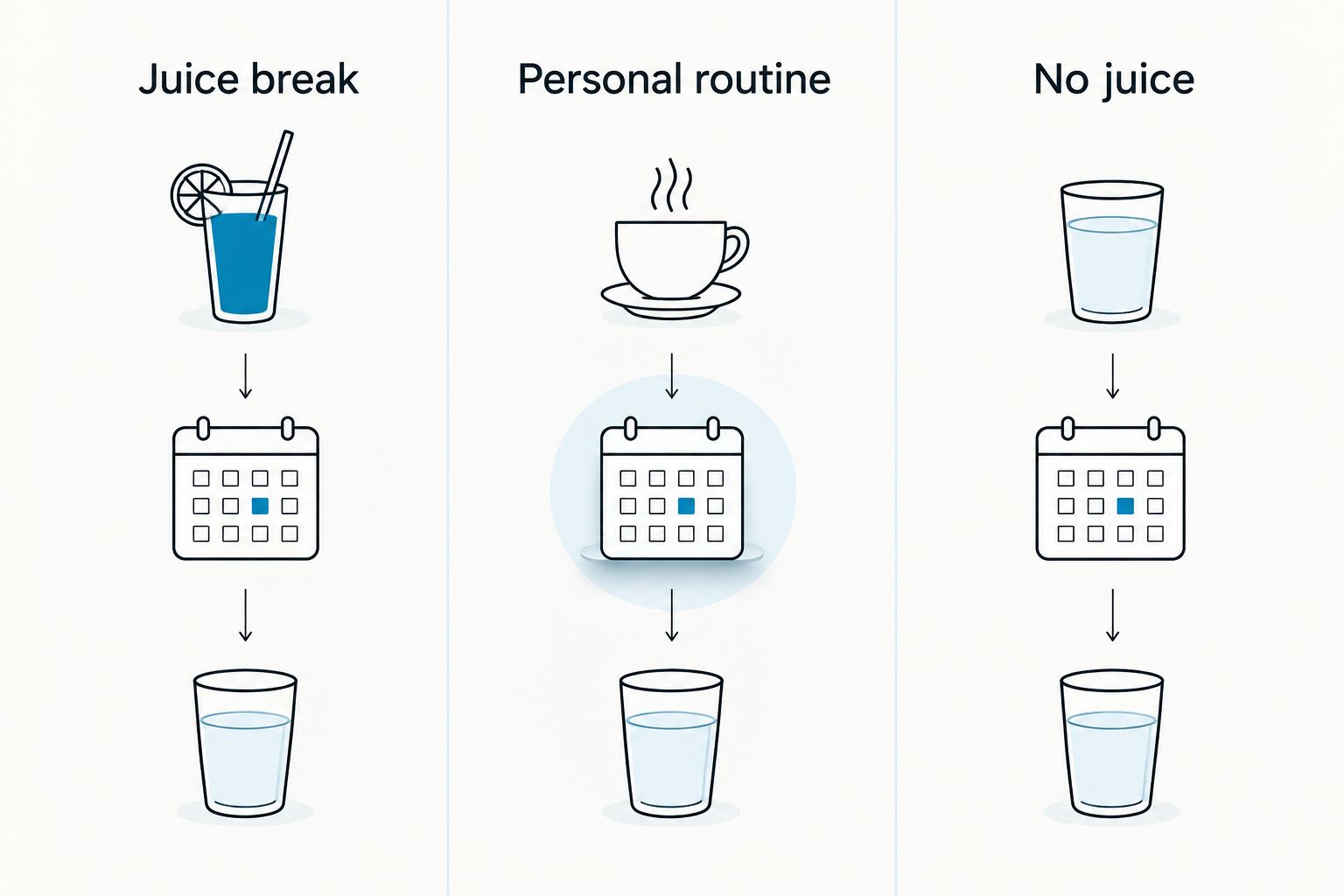
Offer three clear routes: a juice break alongside meals, an independently chosen personal routine, or no juice at all. Treat each route equally. This decision belongs to employees, while storage, collection and communication belong to the organiser.
Common mistakes corporate wellness organisers make
Turning an invitation into a team challenge
Manager-led participation lists, public completion checks and competitive cleanse targets make declining harder. Keep sign-up private and remove any expectation that everyone joins. A wellness activity should not become another performance task.
Choosing by wellness names alone
A name mentioning immunity, radiance or detox does not establish an outcome for employees. Read ingredients and product instructions, then describe the drink accurately. Do not tell colleagues that a juice prevents illness, treats digestive problems or changes their body weight.
Forgetting people outside the main office
A lunchtime fridge collection excludes employees on different shifts or working elsewhere. Ask how they want to participate before finalising the format. Do not assume an office delivery automatically solves access for remote staff.
Confusing organic with suitable for everyone
Organic certification does not remove the need to check ingredients or individual dietary requirements. Juice also does not provide the same fibre as whole fruit. Keep whole foods and ordinary meal options part of the wider workplace environment.
Reporting benefits the activity did not measure
An enjoyable break is a valid result on its own. Do not turn positive comments into claims about immunity, productivity or absenteeism. Report participation, preferences and waste, and use those findings to improve the next event.
FAQ
What's the best juice cleanse for corporate wellness programs?
The best workplace format is an optional juice break alongside normal meals, not a compulsory cleanse. Homejuice offers certified organic cold-pressed juice choices for Melbourne teams, while a full cleanse remains an individual decision.
Should employees replace lunch with cold-pressed juice?
No—organisers should not ask employees to replace lunch with juice. Keep ordinary meals available and separate any independently chosen cleanse from the shared workplace activity.
How many juices are included in a cleanse day?
Homejuice's cleanse format provides seven juices per cleanse day, with 375 ml servings. That structured format is different from offering employees a single drink alongside lunch.
Is an organic juice cleanse suitable for every employee?
No—organic certification does not establish suitability for every employee. People who are pregnant, have diabetes, take medicines affected by food intake or have an eating-disorder history should seek healthcare advice before changing their eating routine.
Can we promise detox or weight-loss results from a workplace cleanse?
No—do not promise detox, weight-loss or medical results from a workplace juice activity. Describe the products and the voluntary experience rather than presenting employee health outcomes as guaranteed.
How do we include remote and shift workers?
Ask remote and shift workers how they want to participate before choosing collection arrangements. Confirm delivery coverage separately and provide an equally acceptable alternative for people who cannot collect office drinks.
How should we judge whether a workplace juice program worked?
Judge the program by voluntary participation, enjoyment, collection convenience and leftover drinks. These measures guide practical improvements without requiring weigh-ins, medical disclosures or unsupported productivity claims.
One last thing
Pilot the collection process before expanding the wellness message. For a 2026 workplace program, a drink employees can find, check and decline comfortably is a better starting point than an ambitious cleanse calendar.
Ask one final question: could someone join the break with water and feel equally welcome? If the answer is yes, you have built an inclusive activity rather than a food challenge.